Difference Between Agriculture and Farming: Complete Guide for Modern Farmers and Students
Published: 12 Dec 2025
Difference Between Agriculture and Farming: Complete Guide for Modern Farmers and Students
Many people hear these two terms and get confused. Is agriculture the same as farming? If both deal with crops and animals, then why do experts separate them? Some believe agriculture means only crop production, while others think farming includes everything. This mixed understanding creates confusion for farmers and students who want to improve yield, reduce loss, and make smarter decisions. This guide explains the difference clearly and simply.
So, guys, without wasting time, let’s jump into the article to learn the Difference Between Agriculture and Farming: Complete Guide for Modern Farmers and Student
What Is Agriculture?
Agriculture is a broad industry. It is the entire system of growing food, raising animals, improving soil, managing water, and delivering food to markets. It is not limited to a field or a farm. Agriculture connects science, technology, business, planning, environment, and human labor all together.
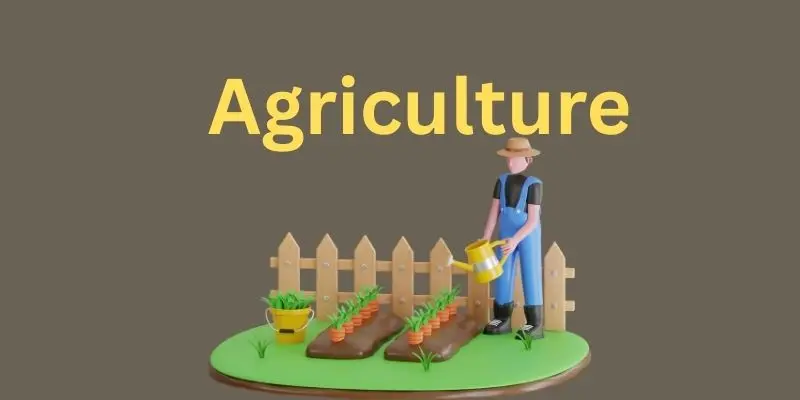
Agriculture Includes Much More Than Crop Production
Some people think agriculture means only planting wheat or rice, but this is just one small part. Agriculture includes many activities:
- Soil management
- Irrigation systems
- Weather forecasting
- Seed research and development
- Fertilizer planning and nutrient balancing
- Drone monitoring
- Farm economics and budgeting
- Government policies related to agriculture
- Climate-smart practices
- Livestock breeding and animal nutrition
- Storage and post-harvest techniques
- Market trends and price forecasting
- Food processing
So agriculture is the master plan, the entire framework that guides how farming should be done.
Agriculture Is the Science Behind Food
Agriculture includes knowledge from many scientific fields:
- Botany (plant science)
- Soil science
- Animal science
- Economics
- Technology
- Environment and climate studies
Every decision a farmer takes—seed selection, fertilizer schedule, water quantity, pest control—is connected to agricultural science.
What Is Farming?
Farming is the practical work that farmers do on the land. It is the hands-on, physical part of agriculture. Farming includes the day-to-day activities that transform agricultural knowledge into real results.
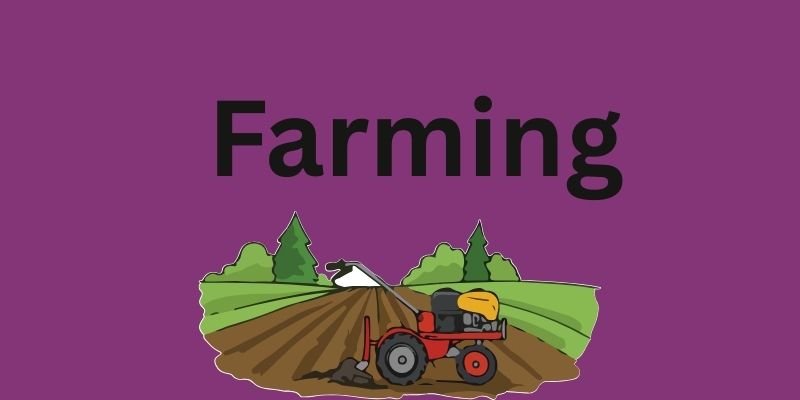
Farming Work Includes
- Plowing fields
- Preparing soil
- Planting seeds
- Watering crops
- Removing weeds
- Applying pesticides
- Feeding animals
- Caring for livestock
- Harvesting crops
- Storing produce
Farming is the heart, the physical energy, the sweat, and the labor that brings agriculture to life.
Farming Is the Action, Agriculture Is the Planning
Agriculture = concepts, science, strategies
Farming = action, labor, fieldwork
Without agriculture, farming becomes guesswork.
Without farming, agriculture cannot exist in the real world.
Main Difference Between Agriculture and Farming
Below is the clear, practical, and in-depth comparison, written for clarity and usefulness.
1. Scope
Agriculture covers everything from soil to seed to market.
Farming covers only fieldwork and livestock care.
Agriculture = very wide
Farming = part of agriculture
2. Work Type
Agriculture is analytical, scientific, and strategic.
Farming is physical, labor-based, and practical.
3. Professionals Involved
Agriculture involves:
- Scientists
- Researchers
- Agronomists
- Irrigation engineers
- Seed developers
- Government officials
- Marketing experts
Farming involves:
- Farmers
- Farm workers
- Animal caretakers
- Equipment operators
4. Tools and Technology
Agriculture uses:
- Drones
- Satellite monitoring
- Soil testing labs
- AI-based weather systems
- Market analysis tools
Farming uses:
- Tractors
- Harvesters
- Sprayers
- Irrigation pumps
- Animal feed equipment
5. Final Output
Agriculture produces:
- Plans
- Research
- Techniques
- Improved seeds
- Policy decisions
Farming produces:
- Crops
- Fruits
- Vegetables
- Milk
- Eggs
- Meat
Why Understanding This Difference Helps Farmers
Many farmers struggle with yield, cost, and weather because they rely only on farming and ignore the agricultural knowledge behind it. But when you combine farming with agriculture, everything changes.
1. Better Decision-Making
Farmers can choose:
- Right seed
- Correct sowing time
- Best fertilizer ratio
- Right water schedule
- Suitable pest control method
This boosts yield and reduces risk.
2. Higher Profit
Agriculture teaches farmers:
- How to reduce input cost
- How to avoid diseases
- How to improve soil fertility
- How to store crops properly
This directly increases income.
3. Climate Protection
Climate is changing fast. Agriculture provides solutions:
- Drought-resistant seeds
- Water-saving irrigation
- Early pest detection
- Soil conservation
Farmers who use agriculture survive climate challenges better.
4. Technology Adoption
When farmers understand agriculture, they are not afraid of technology. They use drones, apps, sensors, and weather tools to protect their crops and make better decisions.
Real-Life Example: Wheat Farming
Imagine a farmer growing wheat.
Agriculture decides:
- Which variety of wheat grows best
- How much fertilizer to use
- What irrigation method reduces cost
- What weather risks may occur
- When diseases might attack
Farming performs:
- Plowing the field
- Sowing wheat seeds
- Watering the fields
- Spraying pesticides
- Harvesting wheat
Agriculture is the brain.
Farming is the hands.
How Agriculture Supports Farming
A deeper breakdown:
1. Soil Testing
Agriculture tells:
- What nutrients are low
- What fertilizer is needed
- How to improve soil pH
Farming applies fertilizers correctly.
2. Irrigation and Water Management
Agriculture designs irrigation plans.
Farming uses them in the field.
3. Pest Control
Agriculture identifies the problem.
Farming treats it practically.
4. High-Yield Seeds
Agriculture develops improved seeds.
Farming grows them.
5. Market Knowledge
Agriculture analyses demand.
Farming supplies accordingly.
Why Farming Alone Is Not Enough
Hard work alone does not guarantee profit. Many farmers suffer loss because they do not follow:
- Soil testing
- Weather guidance
- Correct fertilizer dose
- High-yield seeds
- Smart irrigation
- Market planning
- Post-harvest care
Traditional methods are no longer enough in a world where climate is unpredictable, input prices are rising, and pests are becoming resistant.
Two Practical Scenarios
Case 1: Farmer Without Agriculture Knowledge
- Plants wrong seed
- Overuses fertilizer
- Wastes water
- Suffers pest attack
- Gets low yield
- Sells crop cheap
Result: LOSS
Case 2: Farmer Using Agriculture Knowledge
- Tests soil
- Chooses best seed
- Applies balanced fertilizer
- Uses water efficiently
- Follows pest forecast
- Stores crop properly
- Sells at higher rates
Simple One-Line Difference
Farming is a part of agriculture. Agriculture is the full system behind food production.
Conclusion
Agriculture and farming are connected, but they are not the same. Agriculture is the entire scientific, technical, economic, and planning system that supports food production, while farming is the hands-on work done in fields and animal farms. When farmers combine the wisdom of agriculture with the effort of farming, they gain higher yields, better income, stronger soil, and a more secure future.
Every modern farmer, student, and learner must understand this difference to succeed in a world where food demand is rising, climate is changing, and technology is becoming essential. Smart agriculture + smart farming = success, stability, and growth for everyone.


- Be Respectful
- Stay Relevant
- Stay Positive
- True Feedback
- Encourage Discussion
- Avoid Spamming
- No Fake News
- Don't Copy-Paste
- No Personal Attacks
- Be Respectful
- Stay Relevant
- Stay Positive
- True Feedback
- Encourage Discussion
- Avoid Spamming
- No Fake News
- Don't Copy-Paste
- No Personal Attacks
