Agricultural Practices That Increase Crop Yields
Published: 8 Nov 2025
In today’s world, farmers face more challenges than ever before — unpredictable rains, rising input costs, and soil degradation. Yet, with the right blend of traditional knowledge and modern techniques, farming can become more productive, profitable, and sustainable. The goal is simple: to help every inch of land perform its best while protecting the environment. Let’s explore the key practices that can transform farming for a better future.
So, guys, without wasting time, let’s jump into the article to learn Agricultural Practices That Increase Crop Yields
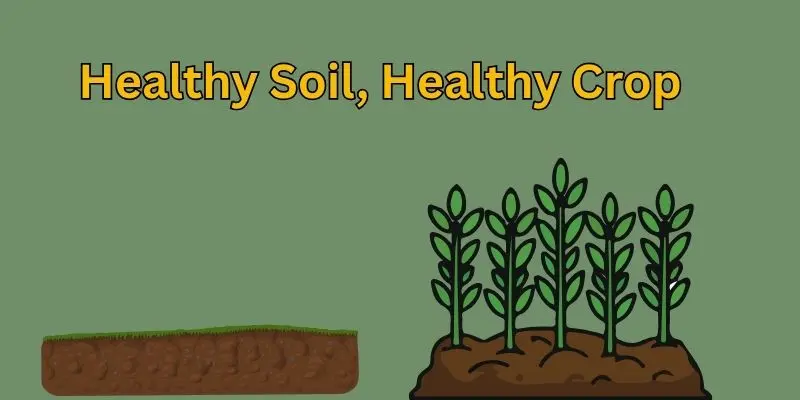
1. Healthy Soil, Healthy Crop
The journey of a good harvest begins below the surface. Soil is a living system that provides nutrients, water, and support to plants. Maintaining soil health means adding organic matter like compost, farmyard manure, or crop residues to enhance fertility. Avoid over-tilling, as it destroys soil structure and beneficial microbes. Regular soil testing identifies nutrient gaps and guides precise fertilizer use. Healthy soil ensures stronger root systems, better moisture retention, and sustainable productivity.
2. Choosing the Right Seeds
Seeds carry the potential of the entire crop. Selecting high-quality, certified, and locally adapted seed varieties is the first step toward success. Choose seeds that are disease-resistant and tolerant to drought or excess moisture, depending on your region. Treat seeds with natural bio-protectants before sowing to prevent fungal or bacterial infections. Proper seed storage in cool, dry conditions ensures high germination rates. Good seeds mean better growth, uniform crops, and higher yields with fewer losses.
3. Smart Water Management
Water is one of the most critical yet misused resources in agriculture. Efficient irrigation ensures every drop counts. Drip and sprinkler systems deliver water directly to the roots, saving up to 60% compared to flood irrigation. Leveling fields improves uniform moisture distribution and prevents runoff. Mulching with straw or crop residue helps conserve soil moisture and control weeds. Farmers in drought-prone areas can adopt rainwater harvesting ponds or tanks for supplementary irrigation. Managing water wisely not only saves costs but also safeguards crops during dry spells.

4. Balanced Nutrient Management
Just as humans need a balanced diet, crops need a mix of macro and micronutrients for proper growth. Integrated Nutrient Management (INM) combines organic sources like compost and green manure with chemical fertilizers. This approach supplies nutrients efficiently while maintaining soil health. Split fertilizer applications at different growth stages enhance nutrient uptake and reduce losses through leaching. Including micronutrients such as zinc, boron, and iron improves grain filling and crop quality. Sustainable nutrient management ensures immediate yield benefits and long-term soil fertility.
5. Natural Pest and Disease Control
Pests and diseases can destroy months of hard work if not managed wisely. Integrated Pest Management (IPM) uses biological, cultural, and chemical methods in balance. Crop rotation breaks pest cycles, while natural predators like ladybugs and lacewings help control insects. Neem-based sprays and pheromone traps are effective eco-friendly options. Monitoring fields regularly helps identify issues early, reducing the need for heavy pesticide use. Responsible pest management preserves biodiversity, lowers input costs, and keeps crops healthier.
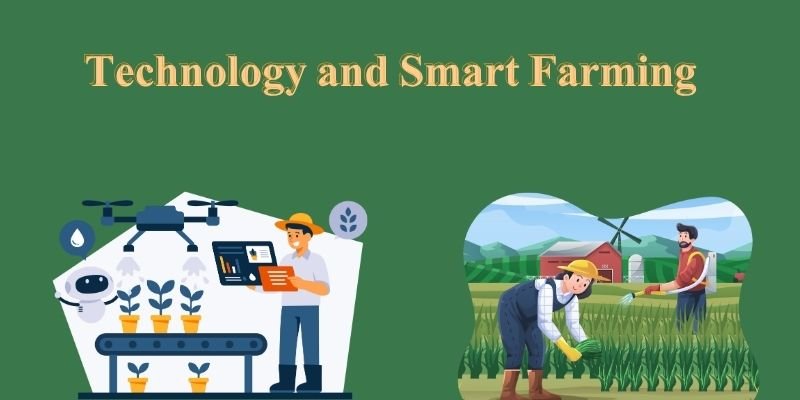
6. Technology and Smart Farming
The new era of farming is guided by data and precision. Modern tools like soil sensors, mobile apps, and satellite imagery help farmers make informed decisions. Technology can track soil moisture, detect nutrient deficiencies, and even forecast pest outbreaks. Drones assist in crop monitoring and targeted spraying, reducing labor and chemical use. Farmers can also use smartphone applications for weather updates and fertilizer recommendations. Smart farming combines experience with innovation, leading to higher efficiency and reduced costs.
7. Harvest and Post-Harvest Management
Harvesting is the reward for months of dedication, but timing is critical. Crops should be harvested only after reaching full maturity to ensure maximum yield and quality. Delayed or premature harvest can reduce both market value and storage life. After harvest, grains should be dried properly to safe moisture levels and stored in clean, airtight bins. Regular inspection prevents damage from insects or fungi. Proper post-harvest handling and storage can reduce losses by 20–25%, directly improving profitability.
8. Climate-Smart and Sustainable Farming
Climate change is altering rainfall patterns and increasing temperature extremes, directly affecting crop productivity. Climate-smart farming focuses on practices that improve resilience and reduce emissions. Intercropping and crop rotation maintain soil fertility and diversify income sources. Conservation tillage, mulching, and organic matter addition help retain soil moisture and reduce erosion. Agroforestry — growing trees alongside crops — protects fields from strong winds and adds long-term value. Sustainable farming ensures food security while conserving natural resources for future generations.
9. Diversified and Integrated Farming Systems
Depending solely on one crop can be risky, especially with unpredictable weather and price fluctuations. Integrated farming systems combine crops, livestock, poultry, fishery, or beekeeping on the same farm. The waste from one component becomes input for another, creating a circular economy. Livestock manure enriches the soil, fish ponds provide irrigation water, and bees improve pollination and yield. This approach increases income, reduces risk, and enhances environmental balance — a complete model of sustainable rural development.
10. Mechanization and Efficient Farm Operations
Farm mechanization reduces drudgery and improves productivity. Even small and marginal farmers can benefit from shared or rented equipment through custom hiring centers. Power tillers, seed drills, and planters ensure timely operations and uniform planting. Mechanical weeders and threshers save labor costs and reduce post-harvest losses. Modern machinery improves work efficiency, saves time, and allows farmers to manage larger areas with fewer resources. Mechanization, when used wisely, becomes a practical tool for higher yields and profitability.
11. Government Schemes and Farmer Support
Governments offer multiple programs to help farmers adopt new technologies and sustainable practices. Soil Health Card schemes provide detailed nutrient analysis for better fertilizer management. Subsidies on drip irrigation, solar pumps, and farm machinery reduce input costs. Crop insurance schemes like PMFBY protect farmers from weather-related losses. Access to these programs through local agriculture offices or online portals ensures financial and technical support. Knowing and using these schemes can significantly improve farm income and security.
12. Knowledge, Training, and Collaboration
Knowledge is the most powerful resource a farmer can possess. Staying updated with new techniques, seed varieties, and pest control methods ensures continuous improvement. Attend local training programs, workshops, or Krishi Vigyan Kendra (KVK) sessions for expert guidance. Farmer groups and cooperatives help share resources, experiences, and best practices. Keeping farm records — yield data, rainfall, fertilizer use — allows better decision-making for future seasons. Learning, experimenting, and collaborating are the pillars of progressive farming.
13. Organic and Regenerative Farming
Organic farming focuses on nurturing the soil and environment without synthetic chemicals. Using compost, green manure, and biofertilizers maintains soil fertility naturally. Crop diversification, mixed cropping, and use of natural pest repellents like neem oil protect crops safely. Regenerative agriculture goes a step further by rebuilding soil carbon, improving biodiversity, and enhancing resilience to climate stress. These approaches may take time but ensure lasting soil health, safer food, and better sustainability.
14. Marketing and Value Addition
Increasing yield is important, but selling smartly matters too. Farmers can earn more by grading, packaging, and branding their produce. Simple value addition — like turning tomatoes into puree or milk into ghee — increases shelf life and profit margins. Joining Farmer Producer Organizations (FPOs) provides access to collective marketing and better prices. Understanding local demand, market timing, and consumer trends helps in planning the right crops. A strong market approach turns good harvests into real income.
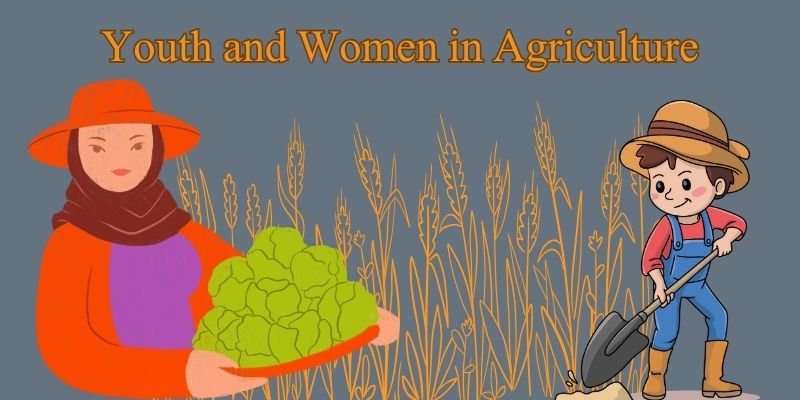
15. Youth and Women in Agriculture
The future of farming depends on youth and women participation. Encouraging young farmers to adopt modern tools and business-oriented practices brings innovation to rural areas. Women farmers play a crucial role in seed selection, post-harvest care, and livestock management. Training programs and credit access for women can multiply productivity and household income. Empowering youth and women ensures inclusive growth and keeps the agricultural sector dynamic and future-ready.
16. Future of Indian Agriculture
The future of farming lies in precision, sustainability, and collaboration. As digital platforms expand, farmers will have real-time access to weather, market, and crop health data. Biotechnology, AI-driven advisory tools, and renewable energy will make farming smarter and cleaner. But technology alone is not enough — the heart of farming will always be care for the land and commitment to improvement. Blending innovation with wisdom will make agriculture both profitable and sustainable for generations.
FAQs about Agricultural Practices That Increase Crop Yields
Here are some of the most frequently asked questions about Agricultural Practices That Increase Crop Yields
The best agricultural practices to increase crop yields include maintaining soil fertility through organic matter, using certified high-yield seeds, adopting drip irrigation for efficient water use, applying balanced fertilizers based on soil tests, and following crop rotation. These methods improve productivity, protect soil health, and ensure sustainable farming outcomes.
Soil health directly determines crop productivity because it controls nutrient availability, water retention, and root growth. Healthy soil rich in organic matter supports beneficial microorganisms that enhance plant nutrition. Regular soil testing, composting, and minimal tillage help maintain fertility and structure, resulting in higher and more consistent yields.
Modern technology helps farmers make data-driven decisions that boost productivity. Tools like soil sensors, satellite imagery, drones, and mobile apps monitor crop health, optimize irrigation, and detect nutrient deficiencies early. Precision farming reduces input costs and increases efficiency, leading to better yields with fewer resources.
Water management ensures crops get the right amount of moisture without waste. Drip and sprinkler systems deliver water directly to plant roots, reducing evaporation and disease risks. Rainwater harvesting and mulching also help conserve water. Proper irrigation scheduling according to crop stages maximizes yield and saves resources.
Sustainable farming focuses on improving soil health, conserving water, and maintaining ecological balance. Practices such as organic composting, crop diversification, integrated pest management (IPM), and conservation tillage protect the land and enhance resilience against climate change. Over time, these methods boost soil fertility and lead to consistent, long-term yield growth.
Conclusion
Farming is more than a livelihood — it’s the foundation of life and food security. By improving soil health, choosing the right seeds, managing water efficiently, and adopting balanced nutrients, farmers can unlock their land’s full potential. Sustainable practices like IPM, INM, and climate-smart farming not only increase yield but also preserve the environment. Knowledge, innovation, and unity among farmers can transform agriculture into a source of prosperity and resilience. The way we farm today will decide the strength of tomorrow’s harvest.




- Be Respectful
- Stay Relevant
- Stay Positive
- True Feedback
- Encourage Discussion
- Avoid Spamming
- No Fake News
- Don't Copy-Paste
- No Personal Attacks
- Be Respectful
- Stay Relevant
- Stay Positive
- True Feedback
- Encourage Discussion
- Avoid Spamming
- No Fake News
- Don't Copy-Paste
- No Personal Attacks
