Aquaponics Pros and Cons: Simple Step-by-Step Guide
Published: 15 Nov 2025
Aquaponics is one of the most beautiful examples of nature and technology working together. But for beginners, the concept often feels confusing—fish, plants, water systems, and chemistry all in one setup. Where should you begin? What are the real benefits? What challenges should you expect?
This guide removes all confusion. Here, you’ll learn the true pros and cons of aquaponics, how it works, and whether it’s the right choice for your modern farm. Written for students, farmers, agripreneurs, and home growers, this article helps you understand aquaponics with confidence.
Let’s explore the complete truth behind aquaponics—its strengths, its challenges, and its future.
So, guys, without wasting time, let’s jump into the article to learn the Aquaponics Pros and Cons: Simple Step-by-Step Guide
What Is Aquaponics and Why It Matters Today
Aquaponics is a sustainable farming system that combines aquaculture (raising fish) and hydroponics (growing plants without soil). In this closed-loop system:
- Fish produce waste
- Beneficial bacteria convert waste into plant nutrients
- Plants clean the water
- Clean water returns to the fish tank
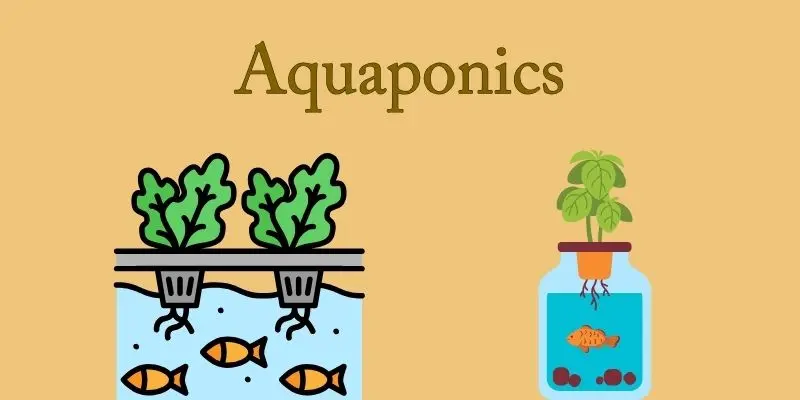
This natural cycle creates a balanced, eco-friendly food production system.
Why Aquaponics Is Becoming Popular
- No soil needed
- Very low water usage
- Two food sources (fish + vegetables)
- Fast plant growth
- Eco-friendly and chemical-free
Aquaponics is a complete, sustainable solution for modern agriculture.
Why Understanding Pros and Cons Is Important
Aquaponics is powerful, but it’s not perfect. Before you invest, you need complete clarity. The right understanding helps you:
- Avoid costly mistakes
- Choose the right system size
- Understand maintenance needs
- Predict profits and challenges
- Build confidence as a grower
Now, let’s break everything down step-by-step.
Step 1: How Aquaponics Works
1. Fish Tank
The heart of the system where fish live and produce nutrient-rich waste.
2. Grow Bed
Plants absorb nutrients from fish water.
3. Biofilter
Beneficial bacteria convert ammonia into plant nutrients.
4. Water Pump
Moves water between the tank and grow bed.
5. Aeration System
Provides oxygen to fish and roots.
Aquaponics is a living ecosystem—plants, fish, and bacteria all depend on each other.
Step 2: Aquaponics Pros
Below are the true strengths of aquaponics that make it special, efficient, and profitable.
1. Uses 90% Less Water Than Soil Farming
Water continuously cycles between fish and plants, reducing wastage.
Perfect for water-scarce areas.
One of the most eco-friendly farming methods on earth.
2. No Chemical Fertilizers Needed
Fish waste naturally becomes plant nutrition.
No harmful fertilizers or pesticides.
Produce becomes organic, clean, and nutritious.
3. Two Profits: Fish + Vegetables
You can sell or consume both crops and fish.
This doubles your income potential.
Ideal for commercial growers and small farmers.
4. Faster Plant Growth
Plants receive oxygen-rich water and balanced nutrients.
This speeds up growth by 2–3× compared to soil.
Perfect for leafy greens, herbs, and fruiting crops.
5. Low Operating Cost After Setup
Once installed, aquaponics runs with minimal inputs.
Fish feed is the main expense.
The system becomes cost-efficient over time.
6. Eco-Friendly & Sustainable
Zero chemical runoff.
Less water usage.
Closed-loop natural ecosystem.
Ideal for climate-smart agriculture.
7. Works in Small or Large Spaces
Balconies, backyards, greenhouses, spare rooms—anywhere.
Vertical aquaponics increases production in tiny spaces.
Perfect for urban farming.
8. Year-Round Food Production
Temperature-controlled systems allow all-season farming.
No dependence on weather or soil quality.
Consistent, reliable production all year.
9. Cleaner, Fresher, Organic Harvest
Plants grow in clean water, not polluted soil.
Fish thrive in chemical-free environments.
Final harvest is healthy and high-value.
Step 3: Aquaponics Cons
Aquaponics is powerful, but it has challenges. Knowing them saves time, money, and effort.
1. High Initial Setup Cost
Tank, pumps, filters, grow beds, and aeration can be expensive.
Beginner systems start affordable, but large farms require investment.
Planning budget is crucial.
2. Requires Technical Knowledge
You must understand:
- pH
- Ammonia levels
- Water cycling
- Fish care
- Plant nutrition
Learning curve is real but manageable.
3. System Failures Can Be Risky
If electricity goes out:
- Pumps stop
- Oxygen drops
- Fish can die quickly
Backup power is essential.
4. Fish Management Is Necessary
Fish require feeding, care, monitoring, and clean environment.
Diseases can spread if not managed.
Not suitable for someone who cannot maintain livestock.
5. Temperature Sensitivity
Both fish and plants depend on stable temperature.
Extreme heat or cold can stress the system.
Climate control equipment may be needed.
6. Limited Crop Variety
Leafy greens, herbs, and some fruits grow well.
Root crops like potatoes or carrots don’t work.
Choose plants wisely.
7. Maintenance Needed
Biofilters, pumps, and pipes need cleaning.
Water quality must remain balanced.
Not completely hands-free.
Step 4: Best Fish for Aquaponics
- Tilapia
- Catfish
- Trout
- Barramundi
- Koi
- Goldfish
Choose fish depending on your climate and system size.
Step 5: Best Plants for Aquaponics
- Lettuce
- Spinach
- Basil
- Mint
- Kale
- Tomatoes
- Cucumbers
- Strawberries

Leafy greens grow the fastest and are perfect for beginners.
Step 6: Cost Breakdown of Aquaponics
Beginner Setup
- $150–$400
Small tank, pump, and grow bed.
Intermediate Setup
- $600–$1,500
Commercial Setup
- $5,000–$25,000+
Initial cost is high, but operating cost remains low.
Common Mistakes in Aquaponics (and How to Avoid Them)
1. Overstocking Fish
Too many fish create excess ammonia and stress the system.
Solution: Start with a low fish-to-water ratio and increase slowly.
2. Ignoring Water Testing
Skipping pH, ammonia, and nitrate testing can destroy both plants and fish.
Solution: Test water 2–3 times a week, especially in the beginning.
3. Overfeeding Fish
Extra food decays and lowers water quality.
Solution: Feed small portions; stop when fish lose interest.
4. Choosing Difficult Plants at the Start
Some crops need advanced nutrient balance.
Solution: Begin with leafy greens and herbs, then expand.
5. Poor Oxygen Supply
Low oxygen stresses fish and weakens plant roots.
Solution: Invest in a reliable aeration pump.
6. No Backup Power
Pump failures cause rapid fish deaths.
Solution: Use UPS or a small generator for emergencies.
By avoiding these mistakes, your aquaponics system stays stable, healthy, and productive.
Future of Aquaponics
Aquaponics is more than a trend — it is shaping the future of food production. As water scarcity grows and fertile land decreases, aquaponics offers a scalable, climate-smart solution. Cities are adopting indoor aquaponic farms, restaurants are creating farm-to-table systems, and commercial investors are treating aquaponics as a long-term opportunity.
New technologies like AI monitoring, solar-powered pumps, smart sensors, and automated feeding systems will make aquaponics easier, cheaper, and more profitable. In the coming years, aquaponics will become a major contributor to sustainable agriculture, offering clean fish, fresh produce, and a reliable food supply for growing populations.
FAQs about Aquaponics Pros and Cons:
Here are some of the most frequently asked questions about the Aquaponics Pros and Cons: Simple Step-by-Step Guide
Yes, aquaponics is beginner-friendly once you understand the basics. It produces fresh food with low long-term cost. With proper guidance, anyone can start successfully.
Aquaponics saves water, eliminates chemical fertilizers, and grows food faster. It offers dual profit from fish and plants. It is one of the most sustainable farming methods.
It requires an initial investment, technical understanding, and regular maintenance. System failures can threaten fish health. But planning and monitoring solve these issues.
It uses pumps and aerators, but energy consumption is moderate. LED lights reduce electricity cost. With timers, usage becomes even more efficient.
Leafy greens like lettuce, basil, kale, and mint grow perfectly. They need minimal care and thrive in nutrient-rich aquaponic systems. Ideal for beginners.
Conclusion
Aquaponics is a powerful blend of nature and innovation—an eco-friendly system that grows food efficiently while conserving resources. But like every farming method, it has strengths and challenges. Understanding these pros and cons gives you the clarity and confidence to decide if aquaponics is right for you.
With the right knowledge, setup, and care, aquaponics can become a sustainable, profitable, and inspiring journey toward modern farming.






- Be Respectful
- Stay Relevant
- Stay Positive
- True Feedback
- Encourage Discussion
- Avoid Spamming
- No Fake News
- Don't Copy-Paste
- No Personal Attacks
- Be Respectful
- Stay Relevant
- Stay Positive
- True Feedback
- Encourage Discussion
- Avoid Spamming
- No Fake News
- Don't Copy-Paste
- No Personal Attacks
