Benefit Of Satellite Crop Monitoring in Precision farming
Published: 21 Oct 2025
Satellite crop monitoring is transforming precision farming by delivering accurate, real-time data on crop health, soil conditions, and field variability. Through the use of advanced satellite imagery and remote sensing technology, farmers can monitor large agricultural areas efficiently, identify problems early—such as pest attacks, water stress, or nutrient deficiencies—and make informed, data-driven decisions. This leads to increased crop yields, optimized use of water and fertilizers, reduced operational costs, and overall improved farm productivity. In today’s data-driven agriculture, satellite crop monitoring is an essential tool for smart, sustainable farming.
What is Satellite Crop Monitoring?
Satellite crop monitoring is a modern agricultural technique that uses satellite technology to remotely observe, analyze, and manage farm fields. It helps farmers monitor crop health, soil conditions, and moisture levels without visiting the field physically, making farming more efficient, accurate, and data-driven.
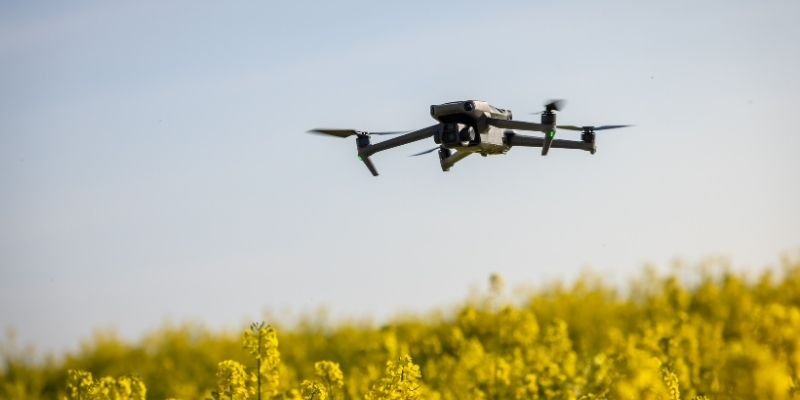
Components of Satellite Crop Monitoring:
- Satellite Imagery
- Vegetation Indexes (NDVI, EVI)
- Moisture & Soil Monitoring
- Data Analysis & AI Integration
- Mobile App or Dashboard Access
“To understand this system better, let’s break it down into its main components. Each component plays a key role in ensuring smooth functionality.”
1. Satellite Imagery
Satellites like Sentinel-2 and Landsat-8 capture high-resolution images of agricultural fields from space. These images provide a top-down view of the field, helping monitor large areas efficiently and frequently (every few days).
Why it matters:
Farmers can observe crop growth, identify unusual patterns, and monitor field activity across seasons without physical scouting.
2. Vegetation Indexes (NDVI, EVI)
NDVI (Normalized Difference Vegetation Index) and EVI (Enhanced Vegetation Index) measure how healthy the crops are by analyzing how much light is reflected from plant leaves.
- High NDVI = Healthy vegetation
- Low NDVI = Stressed or unhealthy crops
These indexes help in detecting problems like:
- Nutrient deficiency
- Pest or disease impact
- Water stress
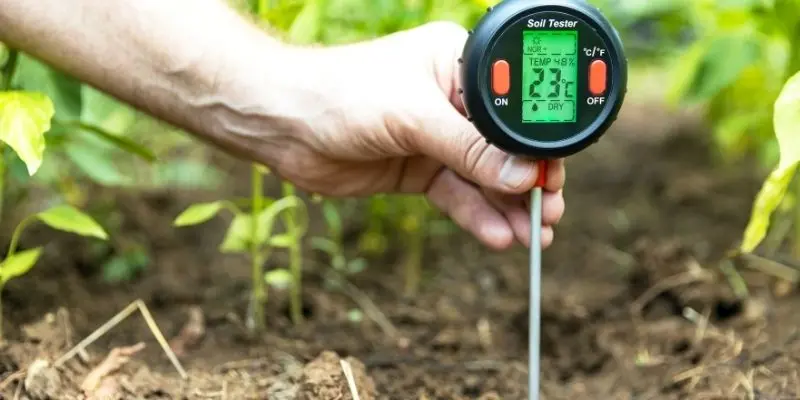
3. Moisture & Soil Monitoring
Using thermal and radar imagery, satellites detect the moisture levels in the soil and temperature on the field surface.
Why it matters:
It helps in deciding:
- When and where to irrigate
- If the soil is too dry or waterlogged
- How much water to apply to save resources
4. Data Analysis & AI Integration
The raw satellite data is processed using artificial intelligence and specialized agricultural software. These tools help:
- Identify issues early (pests, diseases, drought)
- Analyze growth trends
- Predict crop yields accurately
5. Mobile App or Dashboard Access
All insights are displayed in a visual format through mobile apps or dashboards, often with color-coded maps and graphs. Farmers, agronomists, and companies can:
- Access field data anytime, anywhere
- Compare different fields
- Get alerts and recommendations
Benefits of Satellite Crop Monitoring
“Modern agriculture is rapidly evolving with the help of advanced technologies. One such innovation is satellite crop monitoring, which offers valuable insights for smarter farming decisions.”
- Real-time crop health monitoring
- Early detection of crop diseases & stress
- Accurate yield forecasting
- Efficient use of water, fertilizers, and pesticides
- Large-scale farm visibility from anywhere
- Reduced costs and improved profits
- Environmental sustainability & resource conservation
- Empowerment of small and marginal farmers
Satellite crop monitoring is transforming modern agriculture by providing precise, real-time data directly from space. This cutting-edge technology enables farmers to optimize crop management, increase productivity, and promote sustainable farming practices.
1.Real-Time Crop Health Monitoring
Satellite crop monitoring allows farmers to observe crop health in real-time using vegetation indices like NDVI (Normalized Difference Vegetation Index). This helps detect early signs of stress caused by pests, diseases, or nutrient deficiencies—long before the human eye can notice. As a result, farmers can take timely action to minimize crop damage and increase yield.
2.Improved Decision-Making with Data-Driven Insights
With access to satellite data, farmers no longer need to rely solely on manual inspections or guesswork. Remote sensing provides accurate data about field conditions, crop stages, and variability across the land. This data-driven approach supports smarter decisions regarding irrigation, fertilization, and harvest timing.
3. Efficient Resource Management
Satellite monitoring helps optimize the use of water, fertilizers, and pesticides. By identifying which parts of the field require attention, farmers can apply inputs only where needed. This reduces waste, cuts costs, and minimizes environmental impact—making farming more sustainable.
4.Large-Scale Field Monitoring Made Easy
For large farms, it is often difficult to monitor every acre manually. Satellite crop monitoring covers vast areas within minutes, providing high-resolution imagery and updates regularly. This saves time, labor, and ensures that no part of the field is overlooked.
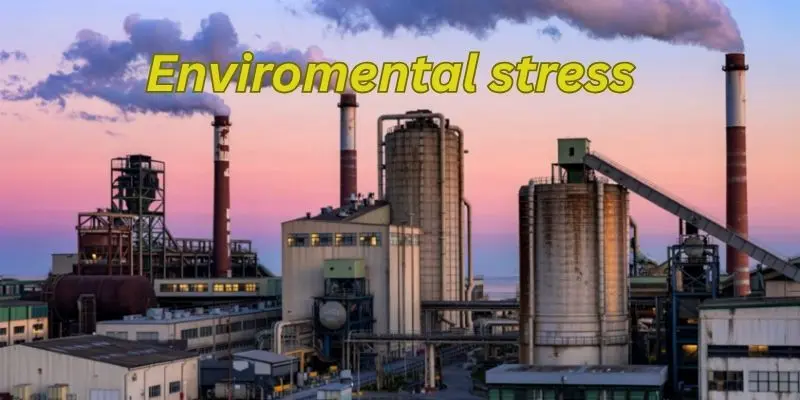
5.Early Detection of Environmental Stress
Changes in soil moisture, temperature, or other environmental factors can be identified early using satellite data. Detecting stress factors like drought or waterlogging early enables proactive measures to protect crop yield.
6.Yield Prediction and Planning
Satellite data helps in forecasting crop yields by analyzing plant growth over time. This helps in better planning for harvest, storage, and market strategies. Accurate yield predictions also assist in financial planning and supply chain coordination.
7.Cost Reduction & Increased Profitability
By avoiding overuse of inputs and preventing major crop losses through early detection, satellite monitoring contributes to overall cost reduction. When combined with precision farming practices, this leads to higher profitability per hectare.
FAQs about Benefit Of Satellite C M in farm
Here are some of the most frequently asked questions about the Benefit Of Satellite Crop Monitoring in Precision farming
It’s like having eyes in the sky watching your crops 24/7.
Benefit: Know what’s happening in your fields—without stepping outside
It reveals exactly where your crops need help—no guesswork.
Benefit: Boost yield by treating only where it’s truly needed.
Yes! It tracks every stage of crop growth with precision.
Benefit: Plan harvests with confidence and avoid unexpected losses.
Very—less waste, less labor, and more control over spending.
Benefit: Save money while growing more—smart farming pays off
Absolutely—it encourages farming with less water and chemicals.
Benefit: Grow healthy crops while protecting your land and future
Conclusion
In today’s data-driven agricultural world, satellite crop monitoring is no longer a luxury—it’s a necessity. By unlocking real-time insights into crop health, soil conditions, and weather patterns, this powerful technology is helping farmers boost yields, cut costs, and farm more sustainably. Precision farming powered by satellites isn’t just improving the way we grow—it’s shaping the future of agriculture. Smarter decisions, healthier crops, and a greener planet all begin with a view from above.



- Be Respectful
- Stay Relevant
- Stay Positive
- True Feedback
- Encourage Discussion
- Avoid Spamming
- No Fake News
- Don't Copy-Paste
- No Personal Attacks
- Be Respectful
- Stay Relevant
- Stay Positive
- True Feedback
- Encourage Discussion
- Avoid Spamming
- No Fake News
- Don't Copy-Paste
- No Personal Attacks
