Crop Monitoring Sensors: Making Farms Smarter
Published: 15 Oct 2025
Imagine standing in your field at dawn. The air is still, the soil damp, and the sun just rising over rows of crops. But beneath the surface, your field is speaking — telling you about its thirst, its stress, its silent cry for balance. What if you could hear it?
Crop monitoring sensors are not just tools. They are translators — giving farmers a way to truly understand their land. In an age of unpredictable weather, rising costs, and increasing pressure to grow more with less, this technology is becoming the silent partner every farmer needs.
So, guys, without wasting time, let’s jump into the article to learn the Crop Monitoring Sensors: Making Farms Smarter
What Are Crop Monitoring Sensors?
Crop monitoring sensors are smart agricultural devices that collect real-time data from your fields. These sensors measure:
- 1.Soil moisture
- 2.Soil nutrients (NPK levels)
- 3.Air and soil temperature
- 4.Humidity and sunlight
- 5.Plant health indicators (via spectral analysis)
- 6.Pest/disease presence
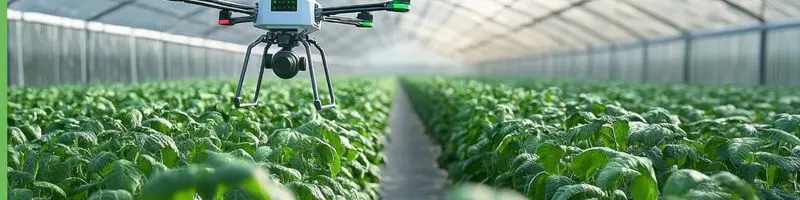
Using wireless communication (IoT), these sensors send data to a dashboard or mobile app, helping farmers make informed, timely, and cost-effective decisions.
Why Crop Monitoring Sensors Matter So Much
1. Early Detection Saves Crops
Sensors can detect drought stress, nutrient deficiencies, or disease signs before they become visible. This allows early intervention — and can save an entire harvest.
2. Water and Fertilizer Efficiency
No more overwatering or guesswork. Irrigate only when and where needed, and apply fertilizers with precision. Save costs, protect the environment, and reduce runoff.
3. Higher Yields, Better Quality
Healthy crops = better output. Sensors help balance soil conditions, leading to stronger, more nutritious crops — and higher market value.
4. Sustainability and Climate Resilience
Smart farming isn’t just about yield. It’s about long-term soil health, carbon reduction, and surviving climate change. Crop sensors are key to responsible agriculture.
How Crop Monitoring Sensors Work – Step by Step
1. Sensor Installation
Sensors are placed in the soil, mounted on leaves/stems (wearable sensors), or attached to drones for aerial monitoring.
2. Data Collection
They collect physical parameters such as moisture, light, and temperature, along with plant health indicators.

3. Transmission
Using wireless protocols (WiFi, LoRa, Bluetooth, GSM), the data is sent to a central server or app — even from remote locations.
4. Analysis and Visualization
AI or machine learning models interpret the data into simple dashboards or alerts. These show which area of your field needs attention — and why.
5. Action and Automation
Smart irrigation, targeted fertilization, or drone spraying can be triggered — all thanks to real-time sensor inputs.
Types of Crop Monitoring Sensors (With Examples)
| Sensor Type | Function | Example Use Case |
|---|---|---|
| Soil Moisture Sensors | Monitor water content in soil | Avoid over/under irrigation |
| Nutrient Sensors | Detect NPK and pH levels | Apply correct fertilizer |
| PAR/Light Sensors | Measure light available for photosynthesis | Shade management |
| Wearable Sensors | Attach to leaves/stems | Track real-time stress, growth, gas emissions |
| Thermal/Infrared Sensors | Detect heat and crop water stress | Identify pest attack or dry zones |
| Drones + Spectral Cameras | Aerial crop health scanning | Large field monitoring in minutes |
Innovative Trends in Crop Monitoring
Wearable Flexible Sensors
Tiny, flexible sensors that can stick directly to plant leaves without harming them. These track:
- Gas emissions (e.g., CO₂, NH₃)
- Leaf temperature
- Photosynthetic activity
Recent studies show promising use of wearable tech to track early stress in crops.
Drone-Based Spectral Imaging
Drones equipped with hyperspectral or multispectral cameras can scan huge areas, detecting:
- Nutrient deficiency
- Disease patches
- Pest hotspots
All in real time — saving labor and time.
Real-World Case Studies
India – Smart Irrigation Using Soil Sensors
In Maharashtra, farmers using IoT-based soil sensors reduced water usage by 30% and increased yield by 18% in sugarcane farms.
California – Wearable Sensors in Vineyards
Grape growers used flexible leaf sensors to track micro-climate stress in vines — leading to better wine quality and less water usage.
Africa – Solar-Powered Remote Sensing
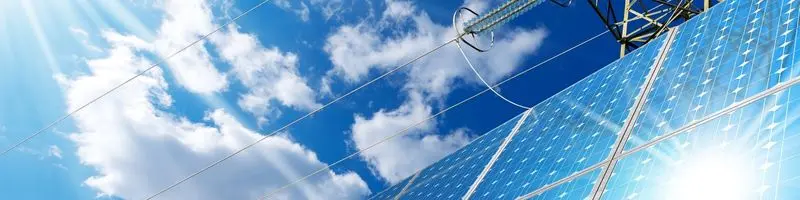
In rural Kenya, solar-powered sensors helped monitor maize fields remotely via satellite and phone networks — reducing chemical dependency.
Challenges Farmers Face (And How to Overcome Them)
| Challenge | Solution |
|---|---|
| High Initial Cost | Government subsidies, shared equipment programs |
| Connectivity in Remote Areas | LoRaWAN, solar-powered nodes, offline data storage |
| Sensor Maintenance | Regular calibration and protective casing |
| Technical Complexity | Farmer training programs, mobile app simplicity |
Must-Know Tips for Farmers
- Start small: Begin with soil moisture + temp sensors before scaling.
- Use solar-powered sensors for off-grid farms.
- Don’t ignore the data — let it guide your decisions!
- Collaborate with agritech startups for affordable packages.
FAQs about Internet
Here are some of the most frequently asked questions about the Crop Monitoring Sensors: Making Farms Smarter
Crop sensors provide real-time data on soil and crop health. They help farmers make smarter, faster decisions to protect yields.
They guide precise irrigation, fertilization, and pest control. This boosts plant health and maximizes harvest output.
Yes, even one sensor can transform a small farm. It turns uncertainty into informed, confident action.
By reducing water, chemical, and energy waste. They help farmers care for the earth while feeding it.
No, most are user-friendly and app-connected. Farmers can monitor fields anytime, from anywhere.
They detect drought, disease, and soil imbalances early. This prevents loss and protects farmer livelihoods.
Yes, they track changes that signal early threats. Farmers can respond before serious damage occurs.
Conclusion:
When you truly know your land — not by guesswork, but through real-time signals — farming becomes more than survival. It becomes empowerment.
Crop monitoring sensors are not just a tool. They’re your field’s whisper, your soil’s cry, your crop’s silent heartbeat. And now, for the first time, you can hear it.
It’s time to farm smart. It’s time to listen.




- Be Respectful
- Stay Relevant
- Stay Positive
- True Feedback
- Encourage Discussion
- Avoid Spamming
- No Fake News
- Don't Copy-Paste
- No Personal Attacks
- Be Respectful
- Stay Relevant
- Stay Positive
- True Feedback
- Encourage Discussion
- Avoid Spamming
- No Fake News
- Don't Copy-Paste
- No Personal Attacks
