Crop Protection-Network
Published: 1 Nov 2025
I keep hearing about the Crop Protection Network, but I’m not exactly sure what it really is. Is it a group of scientists? A resource for farmers? Or maybe a website that helps people fight plant diseases? Whatever it is, it seems important — especially when crops and pests are always in the news. I decided to dig in and figure out what the Crop Protection Network actually does, and why it matters so much for agriculture today.
What is the Crop Protection Network?
You walk into your field at the break of dawn, sunlight just touching the tips of your crops, but your mind is clouded with worry. Some leaves are turning, a few stalks look weak, and a whisper of doubt creeps in: Did I miss something? Could a pest or disease destroy everything I’ve worked for? That’s the moment the Crop Protection Network (CPN) becomes your trusted ally, turning fear and uncertainty into clarity, knowledge, and hope.
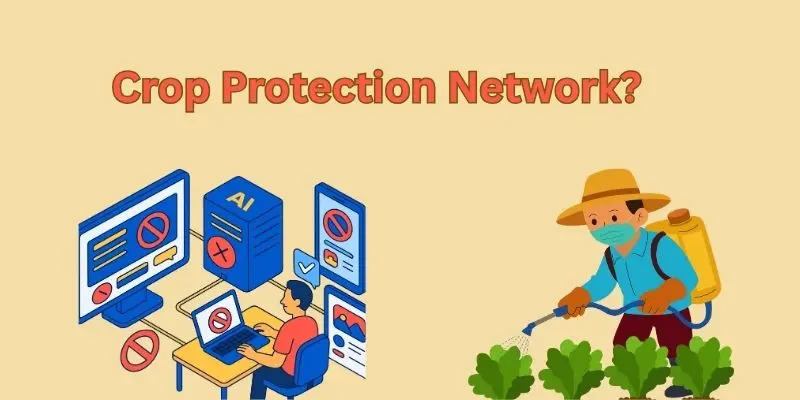
- Connect farmers with agronomy experts and extension specialists for advice and guidance.
- Supplies visual aids and diagnostic resources to identify early signs of crop stress.
- Delivers practical recommendations for fungicide, insecticide, and integrated pest management.
- Helps plan cropping strategies to minimize risk and maximize crop yield.
- Focuses on major row crops like corn, soybeans, small grains, and cotton.
- Encourages preventive measures to avoid emotional, financial, and harvest losses.
- Bridges global research to local farm practices, making information actionable for farmers everywhere.
Why Crop Protection Matters
Every farmer knows the silent heartbreak of seeing a crop fail. The stress of watching a field slowly succumb to disease or pest invasion is overwhelming. Crop Protection Network is more than just data—it’s the shield that protects your livelihood. By using timely, accurate, and research-backed information, farmers gain the ability to detect threats early, act quickly, and protect yields.
- Early detection of diseases and pests reduces crop loss significantly.
- Timely interventions prevent minor issues from turning into major disasters.
- Access to research-backed practices ensures effective, scientifically proven crop protection.
- Data-driven decisions save money, time, and effort while boosting overall productivity.
How Crop Protection Network Helps Improve Yield
The ultimate goal of CPN is not only to protect crops but also to increase yields by reducing avoidable losses. Every leaf, every grain, every stalk counts, and with CPN’s guidance, farmers can safeguard their hard work.
- “Interactive Crop Lookout” maps show real-time pest and disease alerts for major crops.
- Publications provide step-by-step guidelines for crop protection and best practices.
- Yield-loss calculators help quantify potential damage and prioritize action.
- Scouting guides train farmers to spot early signs of disease before it spreads.
- Integrated pest management strategies ensure minimal environmental impact and sustainable farming.
Steps in Farming Supported by Crop Protection Network
Crop production involves multiple steps, and while CPN focuses on crop protection, its resources enhance every stage of farming:
- Selection of Crops – Choosing crops suitable for your region while considering pest and disease risks.
- Soil Preparation – Healthy soil supports resilient crops, reducing vulnerability to pests.
- Planting & Sowing – Guidance from CPN ensures optimal timing and spacing to minimize disease spread.
- Nurturing & Maintenance – CPN provides scouting tools to monitor crop health regularly.
- Protection – The core focus of CPN: early detection, management strategies, and expert recommendations.
- Harvesting – Healthy crops result in higher yields, quality produce, and minimized loss.
By integrating CPN resources at each step, farmers can maximize productivity and minimize stress, turning uncertainty into confidence.
Cropping Plans and Agronomic Practices
Planning your cropping season requires balancing risk, yield potential, and crop protection strategies. Crop Protection Network enhances planning with:
- Recommendations on crop rotation to minimize disease buildup.
- Disease-resistant varieties and regional suitability guides.
- Risk assessments for emerging pests or fungal infections.
- Integration of agronomic practices such as row cropping, soil management, and irrigation optimization.
Agronomic practices backed by CPN research strengthen plant resilience, increase efficiency, and ultimately lead to better harvests.
Benefits of the CPN for Farmers
- Helps farmers protect their crops from pests and diseases.
- Gives advice from experts to solve crop problems.
- Shows how to spot problems early before they spread.
- Suggests safe and effective ways to use pesticides and fungicides.
- Saves time and money by avoiding big crop losses.
- Guides farmers to grow healthier and stronger crops.
- Helps increase crop yield and get better harvests.
Crop Protection Tips for Local Farmers
• Check crops regularly to spot pests or diseases early.
• Use recommended and safe pesticides or fungicides.
• Follow expert advice for proper planting and spacing.
• Rotate crops to reduce disease and pest buildup.
• Keep soil healthy for stronger, resilient plants.
• Use scouting guides and alerts to plan timely interventions.
• Record and track farm practices to improve future yields.
Protect, Detect, Succeed — Crop Protection Network
- Protect
- Use expert advice to safeguard crops
- Follow recommended crop protection practices
- Prevent pest and disease outbreaks
- Detect
- Early detection of pests and diseases
- Use scouting guides and alerts
- Identify crop stress with visual tools
- Succeed
- Improve crop yield and quality
- Save time, effort, and money
- Make data-driven, informed decisions
| Caution for Farmers |
|---|
|
FAQs about Crop Protection-Network
Here are some of the most frequently asked questions about the Crop Protection-Network
CPN is a network of experts providing research-based tools, maps, and guides to help farmers manage pests and diseases in crops like corn, soybeans, cotton, small grains, and alfalfa.
A2: CPN helps increase crop yields by reducing losses caused by pests and diseases. Farmers can use yield-loss calculators, scouting guides, and interactive maps to identify problems early and take preventive or corrective action. Following CPN’s research-based recommendations ensures healthier crops and higher productivity.
: The Crop Protection Network focuses on major row crops and field crops including:
- Corn
- Soybeans
- Cotton
- Small grains (wheat, barley, oats)
Farmers can use CPN’s interactive maps to monitor disease and pest outbreaks in real-time. These maps help identify emerging threats in specific regions. Combined with yield-loss calculators and scouting guides, the maps allow farmers to make informed, timely decisions to protect their crops.
Key benefits include:
- Early detection of pests and diseases
- Access to expert research-backed guidance
- Reduced crop losses and higher yields
- Cost-effective decision-making
- Increased confidence and peace of mind for farmers
CPN offers:
- Interactive disease/pest maps
- Yield-loss calculators
- Scouting guides and visual identification tools
- Research publications on fungicides, insecticides, and biopesticides
Crop protection is crucial because pests and diseases can silently reduce yield, quality, and income. Using CPN’s tools and strategies helps farmers detect threats early, take timely action, reduce stress, and secure a successful harvest.
CPN improves farming decisions by providing real-time information, research-backed recommendations, and interactive tools that help prioritize interventions. This ensures effective pest and disease management, reduces losses, and improves crop yield and profitability.
Conclusion
Standing in your fields, watching the sun rise, you now hold the power to protect what you’ve nurtured with sweat and hope. Crop Protection Network is not just information—it’s guidance, confidence, and assurance that your hard work will not go to waste. With early detection, expert advice, interactive maps, and research-backed strategies, CPN turns confusion and fear into clarity and productivity. Every leaf, every stalk, every grain can now thrive, giving you a harvest not just of crops, but of peace, pride, and success.




- Be Respectful
- Stay Relevant
- Stay Positive
- True Feedback
- Encourage Discussion
- Avoid Spamming
- No Fake News
- Don't Copy-Paste
- No Personal Attacks
- Be Respectful
- Stay Relevant
- Stay Positive
- True Feedback
- Encourage Discussion
- Avoid Spamming
- No Fake News
- Don't Copy-Paste
- No Personal Attacks
