Different Types of Farming Techniques: A Complete Guide for Modern Farmers
Published: 20 Nov 2025
Different Types of Farming Techniques: A Complete Guide for Modern Farmers gives you a clear path to understanding how today’s farming methods can shape a better and more productive future. With new challenges and smarter tools emerging every year, choosing the right technique has never been more important. This guide breaks down each farming style in a simple, practical way, helping modern farmers find what truly works for their land, their goals, and their growing journey.
It highlights methods that save time, reduce costs, and improve soil health. With the right technique, every farmer can grow with confidence and long-term success.
So, guys, without wasting time, let’s jump into the article to learn the Different Types of Farming Techniques: A Complete Guide for Modern Farmers
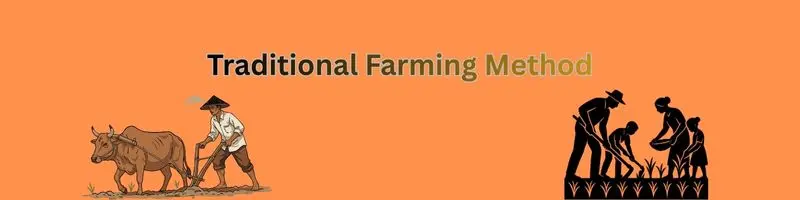
Traditional Farming Method
Traditional farming is the oldest, purest, and most natural form of agriculture—still used by millions of farmers worldwide.
Key Features
- Manual plowing
- Natural fertilizers (cow dung, compost)
- Rain-fed irrigation
- Seasonal crop rotation
- Animal power instead of machines
Why It Still Matters
Traditional methods protect soil health, reduce chemical use, and produce safer, organic crops. Although slower, it provides stability in long-term farming.
Subsistence Farming
Subsistence farming means growing crops only for your family’s needs—not for sale.
Features
- Small land
- Mixed cropping
- Local seeds
- Basic tools
- Low investment, low risk
Benefits
- Full control over food
- Healthy, chemical-free meals
- Lower financial pressure
Commercial Farming
Commercial farming focuses on producing crops at a large scale for business, export, and profit.
Characteristics
- Modern machinery
- High-yield hybrid seeds
- Fertilizers & pesticides
- Contract-based production
- High investment, high return
Examples
- Sugarcane farming
- Cotton farming
- Rice & wheat large-scale farms
Intensive Farming
Intensive farming aims to produce the maximum yield using the minimum land.
Key Practices
- Chemical fertilizers
- High-yielding varieties
- Pesticides
- Heavy irrigation

Where It Works Best
- Areas with small land but high population
- Urban, peri-urban locations
Extensive Farming
Extensive farming uses large land with less labor and less input.
Characteristics
- Big fields
- More space, fewer fertilizers
- Low pressure on soil
- Mechanized harvesting
Advantages
- Better soil preservation
- Lower environmental impact
Organic Farming
Organic farming avoids chemicals and focuses completely on natural elements.
Techniques of Organic Farming
- Composting
- Biological pest control
- Cow dung fertilizers
- Companion planting
- Green manure

Benefits
- Chemical-free crops
- Better soil fertility
- Healthier environment
- Better market prices
Mixed Farming
Mixed farming means growing crops and raising livestock on the same farm.
Benefits
- Double income
- Efficient use of land
- Livestock waste becomes fertilizer
- Natural cycle becomes strong
Crop Rotation
Crop rotation means changing the crop every season to restore soil nutrients.
Example Rotation
- Wheat → Legumes → Vegetables → Oilseeds
Why It Works
- Prevents soil depletion
- Stops pest buildup
- Increases soil nitrogen
Monocropping
Monocropping means planting the same crop every year on the same land.
Advantages
- Easy to manage
- Specialized machinery
- Large-scale production

But: Soil loses nutrients fast.
Polyculture Farming
Polyculture uses multiple crops in one field.
Benefits
- Better soil health
- Natural pest control
- Reduced risk
- More biodiversity
Plantation Farming
Plantation farming is large-scale growing of a single commercial crop.
Examples
- Tea
- Coffee
- Rubber
- Cocoa
- Banana
Terrace Farming
Terrace farming is used in hilly areas to stop soil erosion.
Benefits
- More cultivable area
- Controlled water flow
- Less soil erosion
Crops Grown
- Rice
- Tea
- Vegetables
Hydroponic Farming
Hydroponic farming grows plants without soil, using nutrient-rich water.
Advantages
- Requires 90% less water
- No soil pests
- Fast growth
- Works in indoor spaces
Aquaponic Farming
Aquaponics combines fish farming + hydroponics.
How It Works
- Fish waste feeds plants
- Plants clean the water
- Zero chemical use
Benefits
- Eco-friendly
- Dual income
- High efficiency
Vertical Farming
Vertical farming uses vertical shelves to grow crops in a small space.
Features
- LED lights
- Controlled temperature
- No soil
- Smart sensors
Best For
- Cities
- Indoor farming
- Growing leafy greens
Precision Farming
Precision farming uses technology to improve crop accuracy.
Tools Used
- Drones
- GPS tractors
- Soil sensors
- Weather monitors
Benefits
- Targeted fertilizer use
- Water saving
- Higher yield
Sustainable Farming
Sustainable farming focuses on long-term health of soil, water, and biodiversity.
Principles
- Reduce chemicals
- Protect soil
- Water conservation
- Recycling farm waste
Climate-Smart Farming
This method adapts farming to changing climate.
Practices
- Drought-resistant seeds
- Rainwater harvesting
- Mulching
- Shade nets
Integrated Farming System (IFS)
IFS combines multiple activities like:
- Crops
- Vegetables
- Livestock
- Dairy
- Poultry
- Fish
Benefits
- Zero waste
- Maximum profit
- Sustainable ecosystem
How to Choose the Right Farming Technique for Your Land
Choosing the right farming method depends on your soil, water, climate, budget, and market needs. Here’s a simple guide to help farmers decide quickly and confidently:
1. Understand Your Soil Type
- Test if your soil is sandy, loamy, or clay.
- Choose crops and techniques that match your soil’s strength.
2. Check Water Availability
- Limited water? Go for drip irrigation, hydroponics, or vertical farming.
- Good water supply? Traditional and mixed farming work well.
3. Evaluate Your Budget
- Low budget → Traditional or organic farming
- Medium budget → Drip irrigation, greenhouse farming
- High budget → Hydroponics, vertical farming, precision farming
4. Study Your Local Climate
- Hot areas → Heat-tolerant seeds, mulch, greenhouse
- Cold areas → Tunnel farming, controlled-environment growing
- Rainy areas → Raised beds, drainage-based systems
5. Check Market Demand
- Grow crops that sell fast in your local market.
- High-demand crops = quick profit + less risk.
6. Match Technique With Your Goals
- Want high yield? → Precision farming
- Want chemical-free crops? → Organic farming
- Want to save space? → Vertical farming
- Want long-term sustainability? → Permaculture or conservation farming
1. Future Farming Trends You Must Know
Modern farming is moving toward smart technologies, climate resilience, and resource-saving systems. Farmers who understand these future trends gain a powerful advantage in yield, profit, and long-term sustainability.
1. AI & Smart Precision Agriculture
Modern tools are transforming fields into intelligent systems.
Key advancements include:
- Drone-based crop monitoring
- Soil and moisture sensors
- Satellite-based mapping
- Smart data analytics for fertilizer and pesticide planning
Benefit: Farmers make accurate decisions, reduce waste, and increase yield.
2. Waterless Growing Systems (Hydroponics & Aeroponics)
As water scarcity rises, waterless farming is becoming a game-changer.
These systems offer:
- Growing crops without soil
- Up to 90% water savings
- Faster growth cycles
- Indoor and urban farming possibilities
Ideal for: Small spaces and regions with limited water.
3. Climate-Smart Agriculture
Farmers are adapting methods that protect crops from unpredictable weather.
Core elements include:
- Drought-resistant and heat-tolerant seeds
- Climate monitoring apps
- Low-water irrigation systems
- Protective structures like greenhouses and tunnels
Goal: Build resilience against climate change while maintaining crop quality.
4. Expansion of Vertical Farming
Vertical farming is rising globally due to land shortage and urbanization.
Why it’s popular:
- Maximum production in minimal space
- Controlled environment for steady yields
- Year-round crop cycles
- Pest-free and chemical-free growing conditions
Best for: Leafy greens, herbs, and high-value vegetables.
5. Renewable-Energy-Powered Agriculture
Energy-efficient farming is the future of sustainable agriculture.
New energy solutions:
- Solar-powered tube wells
- Smart solar irrigation pumps
- Biogas systems for fuel and fertilizer
- Wind-powered water pumps
FAQs about Different Types of Farming Techniques
Here are some of the most frequently asked questions about the Different Types of Farming Techniques: A Complete Guide for Modern Farmers
Modern farmers use a variety of techniques including traditional farming, organic farming, hydroponics, vertical farming, precision agriculture, aquaponics, and mixed farming. Each method is chosen based on land size, climate, resources, and market demand.
For beginners, traditional farming and organic farming are easiest to start because they require fewer technical skills and lower initial investment while still giving good learning experience.
Techniques like precision agriculture, vertical farming, and hydroponics help reduce water waste, increase yield, and minimize input costs — resulting in higher profit margins even on small land.
Yes! Systems like vertical farming, kitchen gardening, hydroponics, and drip irrigation are specially designed for small spaces, helping farmers produce more crops in limited space.
Organic farming, hydroponics, conservation agriculture, and permaculture are considered the best for sustainability because they improve soil health, save water, and reduce chemical use.
Conclusion
Understanding the different types of farming techniques empowers modern farmers to transform their land into productive, profitable, and sustainable farms. From traditional methods to hydroponics, vertical farming, and precision agriculture, every technique offers unique benefits. Choosing the right method helps increase yield, save resources, and protect the environment. It’s not just about growing crops — it’s about working smarter, innovating, and securing a brighter future. The right technique turns challenges into opportunities and land into a thriving ecosystem. Modern farming allows farmers to grow more, waste less, and achieve long-term success. Remember, every smart farming decision today shapes a greener, richer tomorrow.



- Be Respectful
- Stay Relevant
- Stay Positive
- True Feedback
- Encourage Discussion
- Avoid Spamming
- No Fake News
- Don't Copy-Paste
- No Personal Attacks
- Be Respectful
- Stay Relevant
- Stay Positive
- True Feedback
- Encourage Discussion
- Avoid Spamming
- No Fake News
- Don't Copy-Paste
- No Personal Attacks
