Farming Steps in Order: A Complete Beginner Guide for Modern Growers
Published: 5 Dec 2025
Many beginners want to start farming, but they get confused about where to begin. They hear about soil testing, seeds, fertilizers, irrigation, and harvesting, but the sequence feels overwhelming. Some farmers start preparing land before checking soil. Some buy seeds without knowing whether their climate supports that crop. Others water too much or too little because they never learned the correct timing. These small mistakes make beginners feel lost and unsure if farming is even possible for them. But once you learn the correct step-by-step farming process, things suddenly become simple and clear. This guide breaks down every stage in an easy order so anyone can start farming confidently.
So, guys, without wasting time, let’s jump into the article to learn the Farming Steps in Order: A Complete Beginner Guide for Modern Growers
1. Understanding Climate and Crop Suitability
Before touching soil or buying seeds, it is important to know what crops grow well in your region. Most failures happen because beginners plant crops that cannot survive their climate. When the crop is wrong, no fertilizer, water, or hard work can fix the result. That is why climate analysis is always the first step because it guides the entire farming process.
Points
- Choose crops that suit your local climate for better growth.
- Check humidity and rainfall; some crops need wet areas, others prefer dry.
- Know your region’s temperature patterns and seasonal changes.
- Consider day length and sunlight requirements for each plant.
- .
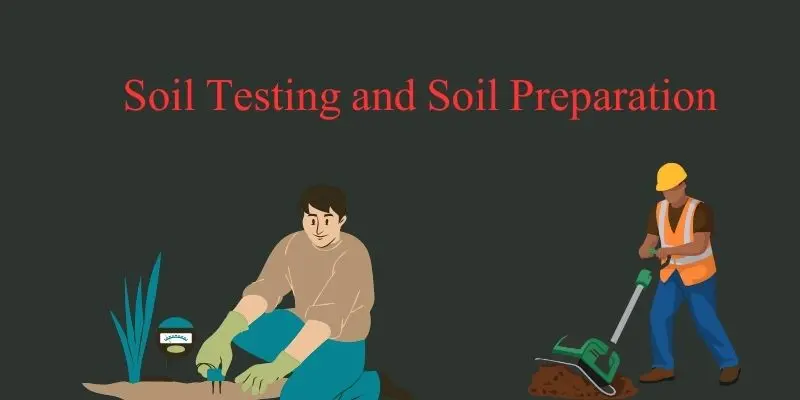
2. Soil Testing and Soil Preparation
Soil is the foundation of farming. Healthy soil produces healthy crops. Beginners often skip soil testing and end up applying the wrong fertilizers. Soil testing helps you understand what nutrients are missing and how to improve soil quality.
Points
- Test soil pH and fertility
A soil test report reveals nutrients like nitrogen, phosphorus, potassium, and organic matter. - Add organic matter to improve soil structure
Compost, manure, and green waste increase soil fertility. - Correct soil pH if needed
Lime is used to raise pH, while sulfur is used to lower pH depending on crop needs. - Plow or till soil for better aeration
This loosens the soil, removes weeds, and prepares land for planting.
3. Land Preparation
Land preparation sets the stage for successful crop growth. A properly prepared field allows roots to grow freely and helps maintain moisture. Without proper land preparation, seeds will not germinate well.
Points
- Remove weeds, stones, and old plant material
Clean land reduces pests and improves seed germination. - Level the field to control water flow
Proper leveling prevents waterlogging and ensures equal distribution. - Make seedbeds or raised beds if needed
Some crops grow better on raised soil to avoid excess moisture. - Create irrigation channels
Design the water flow pattern before planting.
4. Choosing the Right Seeds
Seeds determine the quality of your harvest. Good seeds grow strong plants with better yield. Many farmers fail because they use local, old, or unhealthy seeds.
Points
- Choose certified disease-free seeds
Certified seeds ensure high germination and healthy growth. - Select improved or hybrid varieties
These offer higher yield and better resistance to pests. - Check seed viability
Old seeds may not germinate properly. - Buy seeds suitable for your soil type
Some varieties grow best in sandy soil, others in clay soil.
5. Sowing
Seed sowing must be done carefully. Even spacing, correct depth, and proper timing are important for uniform growth.
Points
- Sow at the right time of the season
Each crop has an ideal planting window. - Follow correct spacing guidelines
Plants need enough room for roots and leaves to expand. - Place seeds at the right depth
Too deep prevents germination; too shallow exposes seeds to birds. - Use the correct sowing method
Broadcasting, line sowing, dibbling, or transplanting.
6. Irrigation (Water Management)
Water is essential, but the right amount matters. Overwatering can cause root rot, while underwatering can stunt growth. Farmers must balance moisture for consistent development.
Points
- Irrigate according to crop stage
Young plants require careful watering compared to mature plants. - Use efficient irrigation systems
Drip and sprinkler systems save water and improve distribution. - Avoid waterlogging
Excess moisture attracts pests and diseases. - Monitor soil moisture regularly
Helps maintain ideal water conditions.
7. Fertilization
Plants need nutrients to grow, just like humans need food. Fertilizers provide essential minerals that support growth, flowering, and fruiting.
Points
- Apply fertilizers based on soil test results
Prevents excessive or insufficient application. - Use organic compost for long-term fertility
Organic matter improves soil structure. - Follow correct fertilizer timing
Growth stages like flowering need more nutrients. - Avoid over-fertilizing
Too much fertilizer burns plants and pollutes the soil.
8. Weed Control
Weeds steal nutrients, sunlight, and space from crops. Controlling weeds helps crops grow better and produce more.
Points
- Remove weeds manually or mechanically
Hand weeding is common in small farms. - Use mulching to block weed growth
Mulch keeps soil moist and prevents weeds from emerging. - Apply safe herbicides if required
Use only when necessary and with proper guidance. - Weed during early crop stage
Young plants are most affected by weed competition.
9. Pest and Disease Management
Pests and diseases can destroy crops quickly. Early detection is important to save yield.
Points
- Inspect plants regularly
Early spotting prevents bigger outbreaks. - Use biological pest control methods
Beneficial insects help naturally reduce pests. - Choose disease-resistant varieties
Reduces risk of infection. - Apply safe pesticides responsibly
Avoid overuse to prevent soil and water contamination.
10. Crop Growth and Monitoring
After plants start growing, they must be monitored closely. Growth stages vary from crop to crop.
Points
- Observe plant height and leaf color
Identifies nutrient deficiencies. - Adjust irrigation based on weather
Hot days need more water, rainy days less. - Provide support structures
Vines and tall plants need stakes or trellises. - Thin overcrowded plants
Ensures each plant gets enough nutrition.
11. Harvesting
Harvesting at the right time ensures the best quality and market value. Harvesting too early or too late affects taste and storage life.
Points
- Harvest at peak maturity
Each crop has its ideal harvest stage. - Use proper tools to avoid damage
Sharp tools reduce plant stress. - Harvest during cool hours
Helps maintain freshness. - Handle produce gently
Prevents bruising and spoilage.
12. Post-Harvest Handling
Post-harvest management protects crop quality from field to market. Many farmers lose profit due to poor handling.
Points
- Clean produce to remove dust
Makes vegetables ready for sale. - Sort damaged items separately
Increases market appeal. - Store at correct temperature
Prevents spoilage. - Use proper packaging
Protects produce during transport.
13. Selling and Marketing
Selling is the final step. Successful marketing helps you earn better profit.
Points
- Sell directly to consumers for higher profit
Avoid middlemen when possible. - Use local markets or delivery apps
Expands reach. - Offer fresh, organic produce
Consumers pay more for chemical-free crops. - Build customer trust
Quality and reliability attract repeat buyers.
, and emotionally engaging — perfect for SEO.
Common Beginner Mistakes — And How to Avoid Them
Most new growers lose weeks of progress simply because they don’t know what to avoid.
This section helps beginners protect their crops from the most common failures.
1. Overwatering the Soil
Many beginners think more water means faster growth — but plants actually suffocate when roots stay wet.
Fix: Water only when the top 1–2 inches of soil are dry.
2. Using the Wrong Soil Mix
Garden soil is often too heavy and blocks air circulation.
Fix: Always use a light, airy, nutrient-rich potting mix designed for vegetables.
3. Planting in Low-Sunlight Areas
Crops like tomatoes and peppers need at least 6 hours of sunlight daily.
Fix: Observe your space before planting and choose high-light areas.
4. Ignoring Spacing Requirements
Plants compete when placed too close, leading to small harvests.
Fix: Follow spacing instructions written on seed packets.
5. Skipping Regular Fertilizing
Plants need consistent nutrition to produce well.
Fix: Use balanced fertilizer every 2–3 weeks (or compost monthly).
This section instantly builds trust and helps beginners avoid failure from day one.
Smart Farming Hacks to Boost Yield With Less Effort
These hacks make your garden grow faster, healthier, and more productively — even if you’re a complete beginner.
1. Mulch to Lock Moisture
A 2-inch layer of mulch (dry leaves, grass clippings, wood chips) keeps soil moist and reduces watering by 40%.
2. Grow High-Yield Varieties
Choose varieties known for quick and abundant harvests:
- Cherry tomatoes
- Green chilies
- Lettuce
- Spinach
- Cucumbers
These give faster results and boost confidence.
3. Use Vertical Helpers
Even in horizontal farming, small vertical tools like stakes, trellises, or cages help tomatoes, beans, and cucumbers grow healthier.
4. Start with Seedlings, Not Seeds
Seedlings save 2–3 weeks and ensure guaranteed growth. Perfect for beginners wanting quick results.
5. Water Early in the Morning
Morning watering reduces evaporation, prevents fungal issues, and gives plants energy for the day.
6. Add Kitchen Compost Weekly
Eggshells, vegetable scraps, and tea leaves enrich the soil naturally — improving yield over time.
Conclusion
Growing crops becomes simple when you follow farming steps in the correct order. Each stage—from soil testing to harvesting—plays a vital role in producing high-quality crops with better yield. When beginners understand how climate, soil, seeds, irrigation, fertilizers, and pest management work together, farming becomes easier and more productive. This step-by-step guide helps new farmers avoid common mistakes and build confidence in their skills. Whether you grow for home or business, following the right sequence leads to healthier plants and better






- Be Respectful
- Stay Relevant
- Stay Positive
- True Feedback
- Encourage Discussion
- Avoid Spamming
- No Fake News
- Don't Copy-Paste
- No Personal Attacks
- Be Respectful
- Stay Relevant
- Stay Positive
- True Feedback
- Encourage Discussion
- Avoid Spamming
- No Fake News
- Don't Copy-Paste
- No Personal Attacks
