Gathering Crops at Harvest: Complete Guide for Farmers to Maximize Yield and Profit
Published: 13 Dec 2025
Many beginners confuse harvesting with farming itself. While farming includes planting, crop care, irrigation, fertilization, and pest management, harvesting is the final and most critical stage where all previous efforts are transformed into tangible results. Harvesting requires timing, precision, knowledge, and labor management. A wrong decision during harvest can lead to losses, reduced quality, and lower market prices.
So, guys, without wasting time, let’s jump into the article to learn the Gathering Crops at Harvest:
Why Harvesting Properly Matters
Gathering crops at harvest is the most crucial stage in farming. Crops spend months growing, and the effort of watering, fertilizing, protecting from pests, and managing the soil can be wasted if harvested improperly. Many farmers make mistakes like harvesting too early, too late, or using wrong tools, leading to up to 30% crop loss in some cases.
Harvesting is more than cutting crops — it includes timing, preparation, tools, labor, post-harvest handling, and storage. Done correctly, it ensures maximum yield, high-quality produce, better market prices, and sustainable soil for the next crop.
This 3000-word guide covers everything, step by step, so that farmers, students, and beginners understand how to gather crops effectively and profitably.
What is Harvesting?
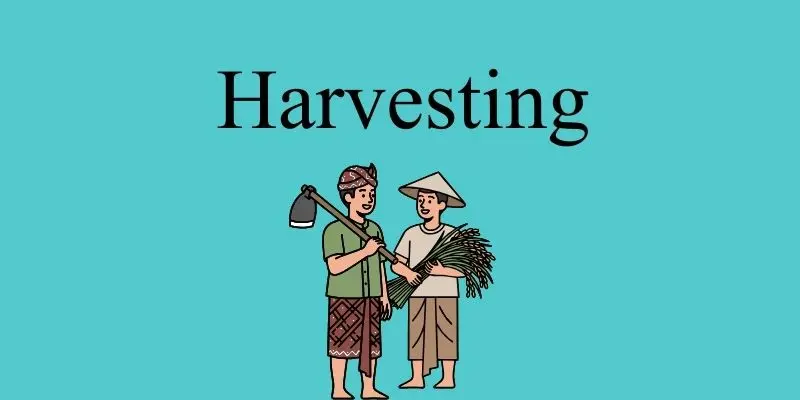
Harvesting is the process of collecting mature crops from the field. It is the final step of the crop cycle, following sowing, growth, care, and protection. Harvesting is both an art and a science because it requires understanding crop maturity, environmental factors, handling, and market demands.
Importance of Harvesting
- Maximizes Yield: Correct harvesting prevents loss of grains, fruits, or vegetables.
- Maintains Quality: Proper handling prevents bruising, rot, or pest damage.
- Ensures Profit: High-quality crops fetch better prices in the market.
- Reduces Waste: Timely harvesting avoids crop falling or spoiling.
- Prepares Soil for Next Crop: Clean fields allow better soil management for future planting.
Signs Crops Are Ready for Harvest
1. Grains (Wheat, Rice, Maize)
- Golden-brown or yellow color in mature stalks.
- Hard grains that do not dent when pressed.
- Dry leaves and stems.
2. Vegetables
- Full size and vibrant color.
- Firm texture, not overripe.
- Some crops, like beans or peas, should be harvested continuously.
3. Fruits
- Aroma develops and color changes.
- Slight softening indicates ripeness.
- Avoid harvesting too early or too late to maintain shelf life.
4. Legumes
- Pods fully formed.
- Seeds hard inside pods.
5. Root Crops
- Leaves turning yellow signals maturity.
- Tubers firm and fully developed.
Methods of Harvesting Crops
Choosing the right method depends on crop type, farm size, labor availability, and budget.
1. Manual Harvesting
- Tools: sickles, knives, pruning shears, hands.
- Best for: Fruits, vegetables, small farms, delicate crops.
- Pros: Careful handling, minimal damage, low cost.
- Cons: Labor-intensive, time-consuming.
2. Mechanical Harvesting
- Tools: Combine harvesters, threshers, tractors, mechanical pickers.
- Best for: Wheat, rice, maize, cotton.
- Pros: Faster, less labor, high efficiency.
- Cons: High initial cost, may damage fragile crops, requires training.
3. Semi-Mechanical Harvesting
- Combining machines for cutting with manual handling.
- Balances speed and crop quality.
4. Specialized Harvesting
- Hand-picking delicate fruits like mangoes or tomatoes.
- Digging root crops like potatoes or carrots carefully.
- Selective harvesting for continuous vegetables like beans.
Step-by-Step Harvesting Process
Step 1: Planning
- Check crop maturity regularly.
- Prepare labor, tools, storage, and transportation in advance.
- Monitor weather forecasts to avoid rain or storms during harvest.
Step 2: Field Preparation
- Clear weeds and unwanted plants.
- Ensure proper access paths for laborers and machinery.
- Reduce irrigation for grains to allow natural drying.
Step 3: Selecting Tools
- Manual: sickles, pruning knives, baskets.
- Mechanical: Combine harvesters, threshers, tractors.
- Protective gear: gloves, hats, mats for delicate crops.
Step 4: Harvesting the Crop
- Cut or pick carefully to avoid damage.
- Thresh grains carefully to avoid breaking.
- Pick fruits at the right stage, leaving unripe ones for later.
Step 5: Sorting and Cleaning
- Remove damaged, diseased, or small crops.
- Sort by size, color, and quality.
- Wash fruits or vegetables if needed.
Step 6: Temporary Storage in Field
- Keep in ventilated, shaded areas.
- Avoid direct sunlight for sensitive produce.
- Use baskets, crates, or mats to prevent contact with soil.
Step 7: Transport
- Use clean, dry vehicles.
- Avoid stacking crops too high to prevent crushing.
- Maintain temperature and ventilation for sensitive crops.
Common Harvesting Mistakes
- Harvesting Too Early – Leads to underdeveloped crops.
- Harvesting Too Late – Causes rotting, pest attack, or crop falling.
- Poor Handling – Bruises fruits and vegetables, lowers quality.
- Ignoring Pest Management – Crop may be destroyed.
- Improper Storage – Leads to spoilage and loss.
- Overcrowding During Transport – Damages delicate produce.
Post-Harvest Management
Harvesting ends only after proper post-harvest care.
1. Drying
- Grains, beans, and seeds need sun or mechanical drying.
- Vegetables and fruits require minimal drying to prevent rot.
2. Cleaning and Sorting
- Separate damaged or diseased crops.
- Improves market value and reduces loss.
3. Storage
- Use silos, cold storage, ventilated rooms depending on crop type.
- Monitor temperature, humidity, and pests.
4. Marketing
- Sell according to demand.
- High-quality crops fetch higher prices.
How Technology Supports Harvesting
- Drones: Monitor crop maturity and field conditions.
- Moisture Sensors: Determine optimal harvest time for grains.
- Combine Harvesters: Cut, thresh, and clean grains simultaneously.
- Mobile Apps: Track market prices, demand, and weather.
Tips for Maximizing Yield and Profit During Harvest
- Monitor crops daily in the final growth stage.
- Avoid harvesting in rain or excessive humidity.
- Train laborers for careful handling.
- Use proper containers for fragile crops.
- Sort crops by size and quality for better prices.
- Keep storage clean, ventilated, and pest-free.
- Follow government and agricultural guidance on post-harvest techniques.
Case Study: Wheat Harvest
- Observation: Wheat turns golden and stalks dry.
- Harvesting: Laborers cut wheat carefully using sickles.
- Temporary Storage: Bundles dried in sun heaps.
- Threshing: Done with a mechanical thresher.
- Storage: Cleaned grains stored in ventilated sacks.
- Result: Minimal loss, high-quality wheat, sold at better market price.
Harvesting Challenges and Solutions
- Labor Shortages – Use mechanical or semi-mechanical harvesting.
- Weather Uncertainty – Monitor forecasts, plan for early or late harvest windows.
- Crop Damage – Train workers, use proper tools, handle with care.
- Storage Problems – Invest in simple ventilated storage or cold storage for perishable crops.
- Market Fluctuations – Store crops temporarily if market prices are low, sell when demand rises.
Conclusion
Gathering crops at harvest is the most important stage of farming. It requires planning, knowledge, timing, tools, labor management, post-harvest care, and storage. Modern farmers who follow proper techniques, use technology, and handle crops carefully can maximize yield, maintain quality, reduce losses, and increase profit.
By understanding every step — from observing maturity to post-harvest handling — farmers can transform harvest season from a stressful period into a rewarding and profitable experience, securing food, income, and sustainable land for future crops.
Difference Between Agriculture and Farming: Complete Guide for Modern Farmers and Students


- Be Respectful
- Stay Relevant
- Stay Positive
- True Feedback
- Encourage Discussion
- Avoid Spamming
- No Fake News
- Don't Copy-Paste
- No Personal Attacks
- Be Respectful
- Stay Relevant
- Stay Positive
- True Feedback
- Encourage Discussion
- Avoid Spamming
- No Fake News
- Don't Copy-Paste
- No Personal Attacks
