How Does Vertical Farming Help the Environment
Published: 11 Nov 2025
Modern farming faces major environmental challenges. Farmers deal with water shortages, soil depletion, climate change, and pollution, which threaten both crops and the planet. Traditional farming often requires large land areas, heavy water use, and chemical inputs that damage ecosystems.
Vertical farming offers a smart solution. By growing crops in stacked layers indoors and using controlled water and nutrient systems, farmers can produce high yields without harming the environment. It’s a method that combines technology, sustainability, and profitability.
So, guys, without wasting time, let’s jump into the article to learn How Does Vertical Farming Help the Environment
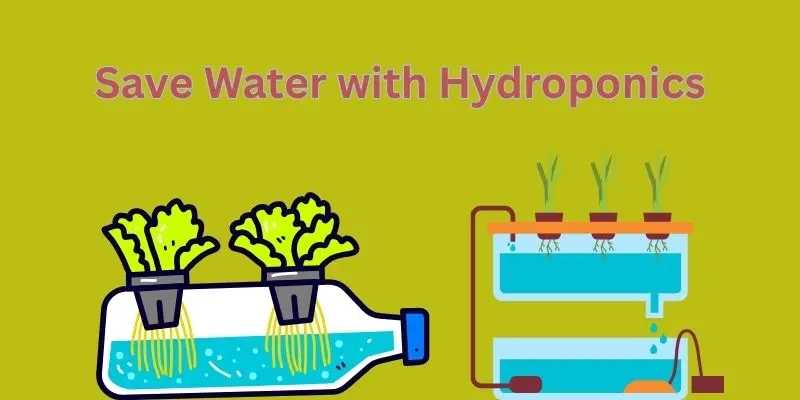
1. Save Water with Hydroponics
Vertical farming uses recycled water systems, allowing farmers to reuse water multiple times. This can reduce water consumption by up to 95% compared to traditional farming.
It’s ideal for areas facing drought or limited rainfall. Less water usage also lowers costs and prevents water pollution from runoff fertilizers. Farmers can reliably grow crops without depending on rainfall or irrigation from external sources.
2. Protect Soil Health
Traditional farming with plowing, fertilizers, and pesticides often degrades soil. Vertical farming doesn’t require soil, so there’s no erosion or nutrient depletion.
Farmers can cultivate crops on rooftops, warehouses, or urban spaces without disturbing natural land. This keeps farmland and forests intact, preserving soil quality and ecosystems.
3. Reduce Pesticide and Chemical Use
Indoor vertical farms create controlled environments, reducing pests and plant diseases. Farmers rarely need harmful chemicals or pesticides.
This leads to cleaner, safer crops while minimizing pollution in rivers, lakes, and soil. It’s healthier for consumers, farmers, and the surrounding environment.
4. Minimize Carbon Footprint
Traditional farming often involves long transportation routes, fuel usage, and energy-intensive irrigation. Vertical farms produce food close to cities, cutting transport emissions.
Using energy-efficient LED lights and renewable energy reduces electricity use. Farmers can grow crops in a way that protects the environment while supplying fresh, local food.
5.Reduce Food Waste
Vertical farming allows on-demand planting and harvesting, so crops match market demand. Less overproduction means less food waste.
Fewer discarded crops reduce resource loss, such as water, energy, and labor. This is financially beneficial for farmers and reduces landfill-related pollution.
6. Protect Forests and Natural Habitats
Traditional farming often requires clearing land, which harms wildlife. Vertical farming grows upward instead of outward, using minimal space.
Farmers can produce high yields without cutting forests or grasslands, preserving biodiversity and natural habitats. This method supports ecosystems while maintaining agricultural productivity.
7. Improve Urban Air Quality
Indoor and rooftop farms add greenery to cities, absorbing carbon dioxide and releasing oxygen. This helps improve local air quality.
Farmers and communities benefit from cleaner, fresher air. Vertical farming contributes to both food production and a healthier urban environment.
8. Climate-Resilient Crop Production
Floods, droughts, or extreme heat can destroy traditional crops. Vertical farming grows crops indoors in controlled conditions, unaffected by weather.
This ensures stable yields and consistent income for farmers, even during climate extremes. Crops are protected, and production is predictable.
9. Promote Sustainable Farming Practices
Vertical farming teaches farmers efficient resource management. Water, nutrients, and energy are used carefully, minimizing waste.
Farmers adopting these practices produce food sustainably, reduce environmental impact, and can market their crops as eco-friendly and premium quality, attracting higher prices.
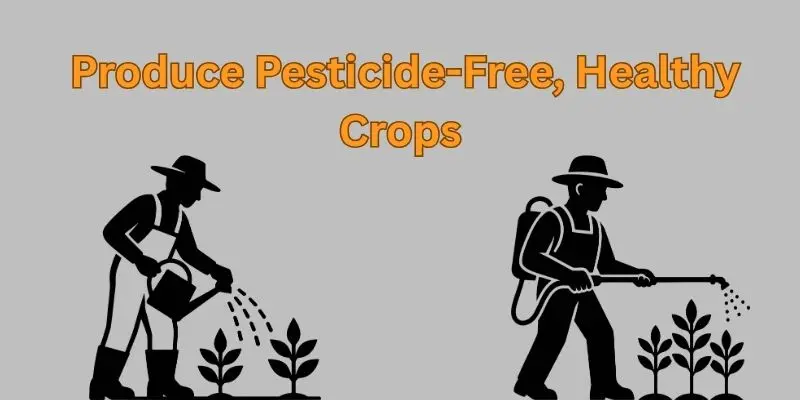
10. Produce Pesticide-Free, Healthy Crops
Since vertical farms reduce chemical use, farmers can grow safe, nutritious vegetables and herbs.
Consumers prefer pesticide-free food, so this increases demand and profitability. At the same time, the environment benefits from fewer chemicals leaching into soil and water.
11. Reduce Land Requirements
Vertical farming multiplies crop production vertically instead of horizontally, reducing the need for large plots of land.
Farmers can produce more crops in small urban spaces or unused buildings, preventing the need to clear forests or degrade natural land. This is especially helpful in land-scarce regions.
12. Lower Energy Consumption
Vertical farms use LED lights and smart climate controls, which consume less energy than traditional greenhouse heating or cooling.
Renewable energy like solar panels can power farms, reducing dependence on fossil fuels. This lowers greenhouse gas emissions and supports clean, eco-friendly farming.
13. Encourage Local Food Production
By building vertical farms near cities, farmers supply fresh food directly to consumers, reducing transport and refrigeration needs.
This short supply chain means less energy consumption, less food spoilage, and fresher produce. It supports local economies and reduces environmental costs associated with food distribution.
14. Increase Biodiversity Awareness
Vertical farming reduces habitat destruction, allowing wildlife and native plants to thrive. Farmers practicing vertical farming often become more aware of ecological balance and sustainable practices.
This encourages eco-conscious farming and helps maintain biodiversity in agricultural areas.
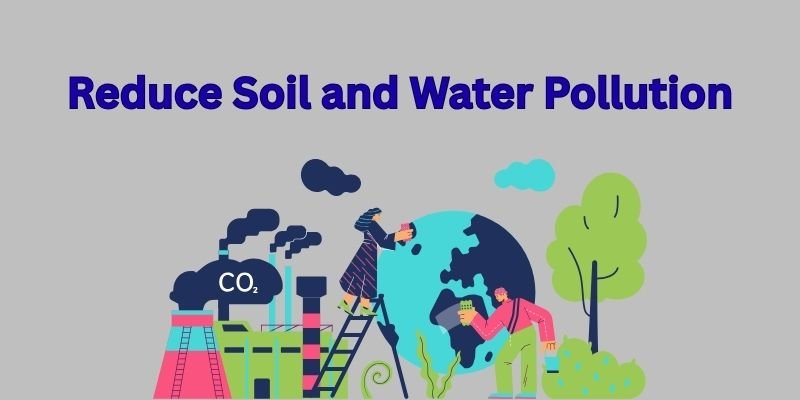
15. Reduce Soil and Water Pollution
Indoor systems prevent chemical runoff from fertilizers or pesticides, keeping rivers, lakes, and groundwater clean.
Farmers produce crops without contaminating the environment, protecting ecosystems and communities downstream.
16. Enhance Education and Innovation
Vertical farming promotes agri-tech education. Farmers and students learn about hydroponics, aeroponics, and climate-smart agriculture.
This knowledge encourages innovation, smarter resource use, and environmentally friendly techniques that benefit both farmers and the planet.
17. Reduce Urban Heat Island Effect
Rooftop vertical farms increase greenery in cities, reducing heat absorption and cooling urban areas.
This creates a more comfortable environment for city dwellers, reduces energy needed for cooling, and improves overall urban sustainability.
18. Support Climate Action and Global Goals
Vertical farming contributes to global sustainability goals by conserving water, reducing emissions, and promoting green practices.
Farmers become part of a climate-friendly food production system, helping combat global warming while producing nutritious crops.
FAQs about How Does Vertical Farming Help the Environment
Here are some of the most frequently asked questions about the How Does Vertical Farming Help the Environment
Closed-loop hydroponic systems recycle water, saving up to 95% compared to traditional farming.
Yes, no soil is needed, preventing erosion and chemical damage.
By growing food near cities and using renewable energy, it reduces transport and electricity emissions.
Yes, vertical farms need less land, preserving forests and wildlife habitats.
Yes, they are pesticide-free, nutrient-rich, and grown in clean, controlled environments.
Conclusion:
Vertical farming is a win-win for farmers and the planet. It saves water, protects soil, reduces chemical use, preserves forests, and cuts emissions. Farmers can grow high-quality crops sustainably while earning steady profits.
This method represents a green revolution, proving that food production and environmental care can coexist. The future of farming is smart, sustainable, and eco-friendly — and it grows vertically.





- Be Respectful
- Stay Relevant
- Stay Positive
- True Feedback
- Encourage Discussion
- Avoid Spamming
- No Fake News
- Don't Copy-Paste
- No Personal Attacks
- Be Respectful
- Stay Relevant
- Stay Positive
- True Feedback
- Encourage Discussion
- Avoid Spamming
- No Fake News
- Don't Copy-Paste
- No Personal Attacks
