How to Start Vertical Farming: Step-by-Step Guide to Vertical Farming
Published: 13 Nov 2025
In the heart of every farmer lives a dream — to grow more, waste less, and protect the Earth. But with limited land, unpredictable weather, and increasing food demand, traditional farming faces more challenges than ever.
That’s where vertical farming steps in — a revolutionary system that allows crops to grow upward instead of outward, saving space, water, and time.
Whether you are a farmer exploring new methods or an agritech enthusiast looking for innovation, vertical farming opens the door to a future where food production is clean, efficient, and sustainable.
So, guys, without wasting time, let’s jump into the article to learn the How to Start Vertical Farming: Step-by-Step Guide to Vertical Farming
What Is Vertical Farming?
Vertical farming is a modern agricultural method where crops are grown in stacked layers or vertical shelves, often in controlled indoor environments.
Instead of using soil, vertical farms rely on hydroponic, aeroponic, or aquaponic systems, which supply nutrients directly to the roots through water or mist. This approach saves up to 90% of water compared to traditional farming and requires much less land.

In simple terms, it allows farmers to grow upward instead of outward, producing more food in smaller areas with better efficiency.
Why Vertical Farming Matters in Modern Agriculture
Across the world, farmers are realizing that vertical farming is not just an alternative — it is the future of agriculture.
Key Advantages of Vertical Farming
- Land efficiency: Ideal for areas with limited or expensive land.
- Water conservation: Uses 70–95% less water than soil-based farming.
- Year-round production: Controlled environments eliminate dependency on seasons.
- No pesticides: Healthy and chemical-free crops.
- Higher yield: Produces up to ten times more per square foot.
- Sustainability: Reduces carbon footprint and food transportation costs.
Vertical farming represents the powerful combination of agriculture and technology, bringing precision, sustainability, and profitability together.
Step-by-Step Guide: How to Start Vertical Farming
Step 1: Research and Planning
Before building your vertical farm, it is crucial to understand your goals.
- Do I want to grow for personal use or commercial sale?
- What is my budget for setup and maintenance?
- Should I start with hydroponics, aeroponics, or aquaponics?
Start small. Choose one or two crops, gain experience, and then expand your setup once you have mastered the system.
Step 2: Choose the Right Location
Vertical farming can be set up almost anywhere. You just need a space that provides:
- Good ventilation
- Stable temperature
- Access to water and electricity
- Control over humidity and light
For home or small setups:
- Spare room
- Basement
- Garage
- Balcony or rooftop
For commercial scale:
- Greenhouses
- Warehouses
- Shipping containers
A controlled environment ensures consistent production throughout the year.
Step 3: Select the Right Vertical Farming System
There are three main types of vertical farming systems:
1. Hydroponic System
Plants grow in a nutrient-rich water solution instead of soil.
This system is cost-effective, easy to manage, and ideal for beginners.

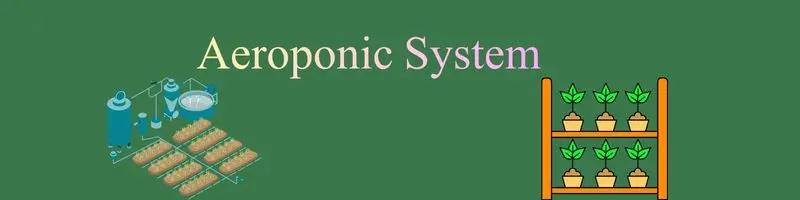
2. Aeroponic System
Roots are suspended in the air and sprayed with a nutrient mist.
It uses the least amount of water and promotes faster growth but requires precise control.
3. Aquaponic System
Combines hydroponics with fish farming. Fish waste provides natural nutrients for plants, and the plants help purify the water.
This system is highly sustainable and self-sufficient.

For beginners, hydroponics is the best option due to its simplicity and low maintenance.
Step 4: Build the Vertical Structure
Once you have chosen your system, design the structure for your farm.
You can build it using:
- Metal or steel racks
- PVC pipes
- Wooden shelves
- Recycled containers
Stack trays or containers vertically, ensuring that each layer has access to light and airflow.
Start with a small structure of three to four layers. As your confidence grows, scale up your setup to increase production.
Step 5: Install Lighting and Environmental Controls
Lighting is critical for indoor vertical farming. Plants require specific light spectrums to perform photosynthesis effectively.
- Use LED grow lights as they are energy-efficient and provide the right light wavelengths.
- Maintain temperature between 20–25°C.
- Keep humidity levels between 50–70%.
- Use ventilation fans or exhausts for airflow.
- Install timers to automate lighting cycles, typically 14–16 hours of light per day.
A well-controlled environment ensures faster growth and higher yields.
Step 6: Choose the Right Crops
Not all crops are suitable for vertical farming. Start with crops that are lightweight, fast-growing, and have short harvest cycles.
Best crops for beginners include:
- Lettuce
- Basil
- Spinach
- Kale
- Mint
- Strawberries
- Microgreens
These plants require minimal maintenance and have strong market demand, making them profitable choices.
Step 7: Manage Nutrients and Water Efficiently
In vertical farming, water and nutrient management is key to success.
- Use a balanced nutrient mix rich in Nitrogen (N), Phosphorus (P), and Potassium (K) along with essential micronutrients.
- Maintain pH levels between 5.5 and 6.5.
- Regularly monitor Electrical Conductivity (EC) to ensure proper nutrient concentration.
- Recycle and filter water to reduce waste and maintain sustainability.
A stable water and nutrient system keeps plants healthy and consistent in growth.
Step 8: Introduce Automation
Automation can reduce labor costs and enhance productivity.
Use smart devices and sensors to automate:
- Lighting cycles
- Nutrient delivery
- Temperature control
- Irrigation timing
Modern agritech tools allow remote monitoring through mobile apps, making farm management easier and more precise.
Automation may increase initial costs, but it significantly improves long-term efficiency and profitability.
Step 9: Harvest and Market Your Produce
Once crops mature, it is time to harvest and prepare for sale.
Harvesting tips:
- hUse sanitized tools to avoid contamination.
- Handle crops carefully to preserve quality.
- Pack them in temperature-controlled containers for freshness.
Selling options:
- Local grocery stores
- Organic markets
- Restaurants and cafes
- Online delivery platforms
Focus on marketing your produce as fresh, pesticide-free, and locally grown — qualities that attract modern consumers.
Create your own brand story. People value authenticity and transparency from local farmers who care about sustainability.
Cost Breakdown for Starting a Home Vertical Farm
| Item | Estimated Cost (USD) |
|---|---|
| Racks and Containers | $200–$400 |
| LED Grow Lights | $150–$300 |
| Hydroponic Kit | $100–$250 |
| Nutrient Solutions | $50–$100 |
| Seeds and Tools | $50–$100 |
| Miscellaneous | $50–$100 |
| Total Estimated Cost | $500–$1,000 |
For larger farms, costs range from $10,000 to $100,000 depending on technology and automation levels.
| Vertical Farming at Home: A Sustainable Lifestyle |
|---|
|
Vertical farming at home brings fresh food closer to your kitchen and helps the environment. It reduces dependency on chemical fertilizers, lowers food waste, and allows you to control every aspect of your crop production. Growing your own vegetables indoors ensures freshness, saves money, and gives peace of mind knowing exactly what you are eating. Even small-scale home setups can make a big difference in promoting sustainability and food security. |
Common Challenges and How to Overcome Them
| Challenge | Solution |
|---|---|
| High setup cost | Start small and scale gradually using affordable materials |
| Technical complexity | Learn through online tutorials or join agritech communities |
| Energy consumption | Use energy-efficient LED lights and renewable sources |
| System maintenance | Schedule weekly cleaning and monitoring of pH and EC levels |
Persistence and learning are key. Every system improves with experience and observation.
The Future of Vertical Farming
The future of agriculture is vertical, smart, and sustainable.
As populations grow and arable land shrinks, vertical farming offers a reliable solution to feed the world efficiently.
Innovations such as AI monitoring, drone assistance, and data-driven nutrient systems are already shaping the next generation of farms.
Cities of the future will have rooftop farms, vertical towers, and container-based systems, producing food closer to consumers and reducing transportation emissions.
FAQs about How to Start Vertical Farming
Here are some of the most frequently asked questions about the How to Start Vertical Farming: A Complete Guide to Modern Sustainable Agriculture
Yes, vertical farming can be highly profitable, even for small farmers. By growing crops in layers, you can produce 10 times more food in the same space compared to traditional methods. Since vertical farms use less water, no pesticides, and offer year-round yield, operational costs stay low while selling prices remain high. Many small farmers earn steady income by supplying organic greens, herbs, and microgreens to local restaurants and stores. Profitability grows with experience, consistency, and smart crop selection.
Absolutely. You can start vertical farming at home with as little as $500–$1,000. Begin small — use simple hydroponic kits, recycled containers, and energy-efficient LED grow lights. Start with easy crops like lettuce, mint, and basil to learn how the system works. Once you see results, expand gradually. Even a balcony or indoor corner can become a thriving mini-farm. The key is not money, but commitment and curiosity to grow fresh food sustainably.
Vertical farming brings together the power of innovation and sustainability. It allows farmers to grow fresh, chemical-free produce all year while saving up to 95% water and using minimal land. It also eliminates the stress of climate change, droughts, or poor soil conditions. Most importantly, it gives farmers control over every element — light, temperature, and nutrients — creating healthier crops and a more secure food future. For many, it’s not just farming; it’s a mission to heal the Earth through technology.
The biggest challenges are initial setup cost, technical learning, and energy usage. But these can be managed by starting small, using DIY or low-cost materials, and choosing energy-efficient LED lights. Knowledge barriers can be overcome by joining agritech training programs or online farmer communities. Remember, every great farmer starts with one experiment that grows into success. With patience and adaptation, vertical farming transforms challenges into opportunities.
Vertical farming is more than a technique — it’s a revolution in how humanity grows food. As land shrinks and global populations rise, vertical farms can produce fresh food inside cities, warehouses, or even homes. It reduces transportation, cuts waste, and creates year-round food security. Farmers who embrace this method are not just cultivating crops — they’re building a sustainable legacy for future generations. The future of farming isn’t beneath our feet anymore — it’s growing upward.
Final Thoughts:
Starting a vertical farm is more than building a system — it is creating a movement. It symbolizes the transformation of traditional farming into an intelligent, sustainable, and profitable future.
Whether you begin at home or launch a commercial project, you are part of a global shift toward smarter agriculture.
Modern farming is not about working harder; it is about working smarter. By growing upward, you are growing toward a future where technology and nature thrive together.
SEO Meta Description
Want to grow more in less space? Learn how to start vertical farming at home or commercially with this complete guide — sustainable, profitable, and future-ready.




- Be Respectful
- Stay Relevant
- Stay Positive
- True Feedback
- Encourage Discussion
- Avoid Spamming
- No Fake News
- Don't Copy-Paste
- No Personal Attacks
- Be Respectful
- Stay Relevant
- Stay Positive
- True Feedback
- Encourage Discussion
- Avoid Spamming
- No Fake News
- Don't Copy-Paste
- No Personal Attacks
