How Vertical Farming Helps the Environment
Published: 9 Nov 2025
Agriculture has always been the heartbeat of human civilization, but in today’s world, farmers are facing new challenges. Climate change, shrinking farmland, and rising population pressure have made traditional farming more difficult than ever. Amidst this struggle, a new concept called vertical farming is emerging as a ray of hope. It’s not just a technology—it’s a revolution that blends science, sustainability, and compassion for nature. By growing crops in stacked layers, vertical farming reduces dependence on land and water while ensuring fresh, chemical-free produce all year round. For farmers and youth alike, this is more than a farming method; it’s the future of green living and environmental protection.
So, guys, without wasting time, let’s jump into the article to learn the How Vertical Farming Helps the Environment
Save Land, Protect Nature
One of the biggest advantages of vertical farming is its ability to grow more food using less land. Traditional farming requires vast fields, often leading to deforestation and habitat loss. Vertical farming, on the other hand, uses tall structures or indoor facilities where plants are grown in layers, saving up to 90% of the land space. This approach means forests, grasslands, and natural ecosystems can remain untouched, helping wildlife survive and thrive. For farmers, this innovation opens new possibilities—even in areas where fertile land is scarce. Every layer of a vertical farm represents a step toward harmony between human needs and nature’s balance.

Grow More with Less Water
Water is the soul of farming, yet it is becoming one of the scarcest resources on Earth. Traditional farming methods consume huge amounts of water through irrigation systems, much of which is wasted. Vertical farming, however, uses advanced hydroponic or aeroponic systems that recycle water efficiently. It can reduce water use by up to 95% compared to field farming. This means more crops can grow using less water—something especially vital in drought-prone regions. By embracing vertical farming, farmers are not just conserving water; they are securing the future of agriculture for their children and communities. Every drop saved is a step toward a more sustainable planet.
Chemical-Free and Healthy Crops
In traditional farming, pesticides and fertilizers are often used to protect crops, but they can harm the soil, water, and even human health. Vertical farming eliminates the need for these harmful chemicals because crops are grown in a controlled indoor environment. With no pests, diseases, or harsh weather conditions, plants can thrive naturally without chemical interference. This ensures cleaner, healthier food for consumers and safer working conditions for farmers. It also prevents toxic runoff from entering rivers and groundwater, protecting ecosystems. By adopting chemical-free vertical farming, farmers contribute directly to environmental health and public well-being—a true example of farming with love and responsibility.
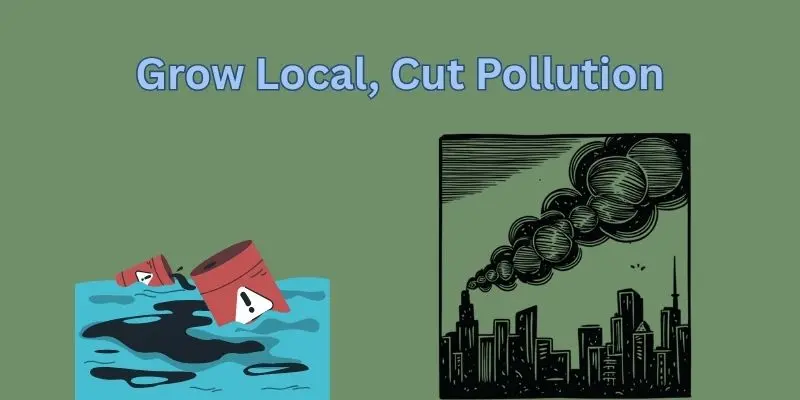
Grow Local, Cut Pollution
Most food today travels hundreds of miles from farm to market, burning fuel and releasing greenhouse gases. Vertical farming changes this pattern completely by allowing crops to be grown close to where people live—often in urban areas or city outskirts. This drastically reduces the distance food needs to travel, cutting down on fuel use and pollution. Fresh produce can reach consumers faster and with a smaller carbon footprint. For farmers, this means new opportunities to sell locally and earn more while saving the planet. Vertical farming is not just about growing upwards; it’s about moving toward a cleaner, greener, and more connected world.
Using Clean Energy in Farming
Vertical farming is not only efficient in land and water—it’s also becoming cleaner in energy use. Many modern vertical farms now run on renewable power sources like solar panels and wind energy. These systems provide electricity for LED lighting, water pumps, and climate control with little to no pollution. For farmers, renewable energy means lower operating costs and greater independence from fuel shortages. By combining vertical farming with clean energy, we make agriculture greener and more sustainable. It proves that technology and nature can work together to grow food without harming the Earth’s atmosphere.
Fresh Food in Cities
With cities expanding rapidly, space for traditional farming is shrinking. Vertical farming offers a perfect solution for urban environments where land is limited but the demand for fresh food is rising. Imagine abandoned buildings, rooftops, or warehouses turning into lush green farms that supply vegetables to nearby homes and markets. Urban vertical farms not only produce food but also purify the air, reduce urban heat, and create jobs for youth. They bring nature back into the concrete jungle and inspire a new generation to value sustainable living. For farmers, this represents a bridge between rural tradition and urban innovation—a chance to bring farming into the heart of modern cities.
Protect Wildlife and Habitats
Every acre of land converted to agriculture often means the loss of forests, riversides, and wildlife habitats. Vertical farming helps stop this silent destruction by reducing the need to clear natural spaces for crop production. When farmers grow vertically, they protect the homes of countless animals and birds that are vital to our planet’s ecological balance. By keeping nature intact, vertical farming supports biodiversity and allows ecosystems to flourish. For farmers, this approach brings pride—knowing that their work feeds people without harming other living beings. It transforms agriculture into an act of compassion toward all forms of life, not just human survival.
Harvest Anytime, Every Season
Traditional farming is often dependent on seasons and weather patterns, which can be unpredictable due to climate change. Vertical farming, however, allows crops to grow throughout the year, regardless of rain, drought, or frost. Controlled environments with LED lighting, temperature management, and nutrient systems ensure continuous growth cycles. This means consistent income for farmers and a stable food supply for communities. No more waiting for perfect weather or worrying about failed harvests. Vertical farming empowers farmers with control over their production, offering hope and security in uncertain times. It’s a promise of stability in a changing world.
Modern Skills for Farmers and Youth
The future of agriculture depends on knowledge and innovation. Vertical farming introduces young farmers to technology-driven cultivation using sensors, automation, and data analysis. These skills not only make farming more efficient but also attract the next generation to agriculture. It transforms farming into a modern, respected profession where science meets soil in new ways. For rural farmers, vertical farming opens doors to new income streams and higher yields. For youth, it brings purpose and pride in contributing to food security while caring for the Earth. Together, they can build a sustainable farming culture that respects both people and the planet.
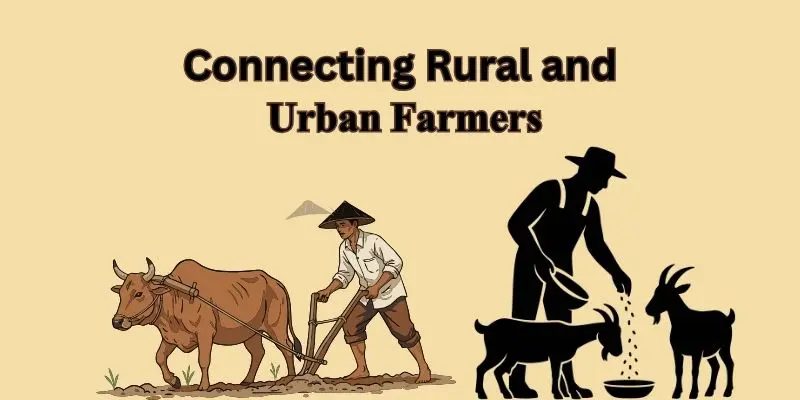
Connecting Rural and Urban Farmers
Vertical farming is not here to replace traditional agriculture—it’s here to unite it. Rural farmers can grow seedlings and provide natural inputs, while urban farmers can produce fresh crops closer to consumers. This teamwork reduces waste, strengthens local economies, and creates fair opportunities for everyone. It builds a bridge between city innovation and village experience. Farmers from all backgrounds can learn from one another, share resources, and grow sustainably together. Vertical farming becomes a common ground where technology meets tradition for the good of both people and nature.
Less Waste, Better Food
Traditional supply chains often lead to food loss due to long transportation times and spoilage. Vertical farming minimizes this problem by producing food near consumers, reducing storage and transport needs. Crops grown indoors are fresh, uniform, and free from pests, which increases their shelf life. Farmers can harvest only what’s needed, reducing waste and maximizing profit. Consumers benefit from high-quality, nutrient-rich food grown sustainably. Every leaf and fruit harvested through vertical farming carries the story of efficiency, care, and environmental respect. This model represents a smart, waste-free approach to feeding the world.
Feed the Future Sustainably
By 2050, the global population is expected to exceed nine billion, putting immense pressure on food systems. Vertical farming offers a sustainable path forward—one that produces more food with fewer resources and less environmental damage. It redefines what it means to grow and consume responsibly. Instead of exhausting the planet, vertical farming works in harmony with it. For farmers, it’s an opportunity to become pioneers of a greener future. For humanity, it’s a symbol of resilience and innovation. Together, we can feed the world without compromising the Earth that feeds us.
Lead the Green Farming Revolution
Vertical farming is not just a technology; it’s a movement that blends heart and science. It gives farmers the power to grow smarter, earn better, and protect the planet. Every vertical farm represents a future where agriculture is clean, efficient, and full of respect for the Earth. For farmers, this is your moment—to rise as protectors of both food and environment. For the youth, it’s your opportunity to lead the green revolution. Together, we can transform farming from struggle to sustainability, from survival to success. The seeds of change have been sown—now it’s time to make them grow..
FAQs about How Vertical Farming Helps the Environment
Here are some of the most frequently asked questions about the FAQs about How Vertical Farming Helps the Environment
Vertical farming uses up to 90% less water than traditional farming. It recycles water through hydroponic systems, reducing waste and protecting natural water resources. This makes it an eco-friendly and sustainable farming method.
Vertical farming grows crops in stacked layers indoors, allowing farmers to produce more food in less space. This reduces the need for farmland, helping prevent deforestation and protect natural ecosystems.
Because vertical farms are located close to cities, they cut down on transportation emissions. Also, they don’t use pesticides or herbicides, which keeps air, soil, and water cleaner, making it a green farming solution.
Vertical farming promotes sustainable agriculture by using renewable energy, recycling water, and minimizing waste. It allows continuous food production without harming the environment or exhausting natural resources.
By reducing land use, conserving water, and lowering carbon emissions, vertical farming helps fight climate change. It’s a key part of eco-friendly urban agriculture that supports a greener, more sustainable future.
Conclusion
Vertical farming is more than just a modern way to grow food — it’s a revolution in sustainable agriculture. By saving water, using less land, and producing zero pesticide pollution, it helps protect our planet while feeding growing populations. These high-tech indoor farms also cut carbon emissions, grow fresh crops all year round, and reduce the distance food travels from farm to table.
In a world challenged by climate change and urbanization, vertical farming stands as a beacon of hope. It proves that technology and nature can work together to create a cleaner, greener, and more sustainable future for everyone.



- Be Respectful
- Stay Relevant
- Stay Positive
- True Feedback
- Encourage Discussion
- Avoid Spamming
- No Fake News
- Don't Copy-Paste
- No Personal Attacks
- Be Respectful
- Stay Relevant
- Stay Positive
- True Feedback
- Encourage Discussion
- Avoid Spamming
- No Fake News
- Don't Copy-Paste
- No Personal Attacks
