Hydroponic Tools & Equipment: Everything Beginners Must Know Before Starting
Published: 26 Nov 2025
Hydroponic farming sounds simple to many beginners, yet the first question always appears: What equipment do I actually need? Some farmers think they need expensive machines, while others believe simple tools are enough. Many newcomers feel confused about pipes, pumps, grow lights, and whether they should choose NFT, DWC, or something else. It becomes difficult to decide what to buy first, what to skip, and how to maintain a system properly. This guide will remove every confusion by explaining each hydroponic tool in the easiest possible way. By the end, you will clearly understand what equipment is essential, optional, affordable, and perfect for beginners. Whether you’re starting on a rooftop, backyard, or room, this article will guide you step by step.
So, guys, without wasting time, let’s jump into the article to learn the Hydroponic Tools & Equipment: Everything Beginners Must Know Before Starting
1. Growing Containers
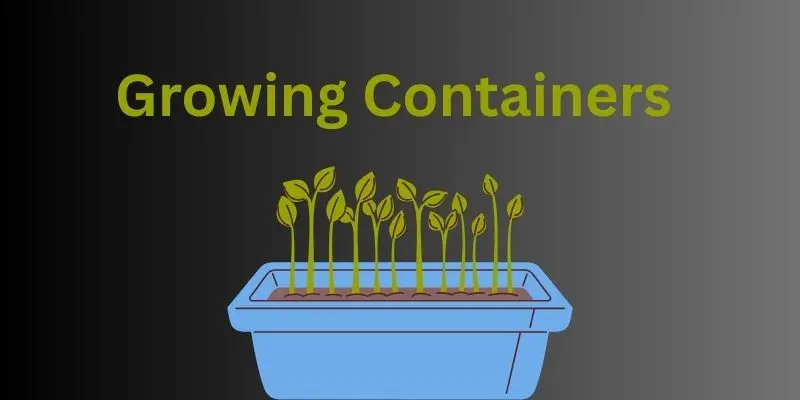
Before setting up a hydroponic farm, farmers need a strong container to hold water, nutrients, and plants. Beginners often feel confused because containers come in different sizes and materials, and each works differently. The right container prevents leakage, supports plant roots, and keeps the nutrient solution stable. Choosing the wrong one can cause weak roots, algae growth, and plant stress. Here is a simple overview of what to use:
Best Types of Growing Containers:
- Plastic tubs or bins
- PVC pipes for NFT systems
- Deep buckets for DWC systems
- Food-grade storage containers
2. Net Pots
Many new farmers don’t understand why small pots with holes are needed. Net pots support the plant while letting roots grow freely into water. Without them, plants may fall, tilt, or break during growth. These pots are lightweight, reusable, and suitable for every hydroponic method. They keep plants steady while allowing good water and oxygen flow.
Common Net Pot Options:
- 2-inch pots for leafy greens
- 3–4 inch pots for herbs
- 6-inch pots for bigger plants
- Mesh pots for aeroponic systems
3. Growing Medium (Root Support Material)
Hydroponics doesn’t use soil, so beginners often get confused about what will hold the roots. A growing medium helps support the plant, store moisture, and provide oxygen. Different mediums offer different benefits — some absorb water, others improve airflow. Choosing the wrong one can damage roots or block water flow.
Popular Growing Mediums:
- Coco peat
- Clay pebbles (LECA)
- Rockwool
- Perlite + vermiculite mix
4. Nutrient Solution (Plant Food)
This is the heart of hydroponic farming. Many beginners wonder how plants grow without soil — the answer is nutrients. A proper nutrient solution provides nitrogen, phosphorus, potassium, calcium, magnesium, and trace minerals. Incorrect mixing leads to yellow leaves, stunted growth, or nutrient burn.
Types of Nutrients Needed:
- Macro-nutrients (NPK)
- Micro-nutrients (iron, zinc, boron, copper)
- Pre-mixed hydroponic solutions
- Organic liquid nutrients
5. Water Reservoir Tank
A hydroponic system must have a safe tank to hold the nutrient solution. New farmers often use small containers, but a bigger tank keeps nutrients stable and reduces pH fluctuation. The reservoir also controls water temperature, which is important for healthy roots.
Best Options for Reservoir Tanks:
- 20L–50L plastic tanks for small systems
- 100L+ barrels for larger setups
- Opaque tanks to prevent algae growth
- Tanks with tight lids to stop contamination
| 6. Submersible Water Pump |
|---|
|
Many beginners get confused about pumps — which type, what size, and why it’s needed. A water pump circulates the nutrient solution, keeps it oxygen-rich, and prevents stagnation. Without the pump, water becomes dirty, roots suffocate, and plants stop growing. Pump Selection Tips:
|
7. Air Pump & Air Stones
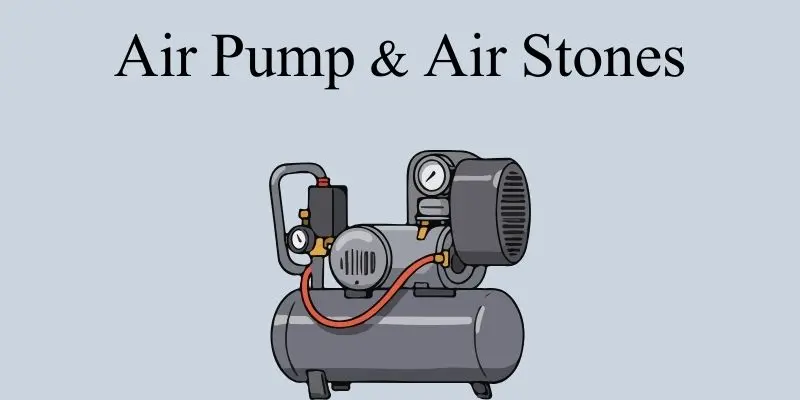
Roots need oxygen to stay healthy. In hydroponics, without soil, oxygen comes through air pumps and air stones. Many beginners skip this tool and later face root rot or slow growth. A good air pump keeps water oxygen-rich and prevents harmful bacteria.
Air Pump Components:
- Air pump
- Silencer tube
- Air stones
- Airline pipes
8. LED Grow Lights
Indoor hydroponic systems need artificial light. Many beginners feel confused about wattage, distance, and color spectrum. Good grow lights help plants photosynthesize, grow faster, and stay strong. LED lights are energy-efficient and last long.
Types of Hydroponic Lights:
- Full-spectrum LED
- White LED
- Red-blue grow lights
- CFL lights (budget option)
9. pH Meter & EC Meter (Water Monitoring Tools)
Water quality determines crop health. Beginners often don’t know the right pH or EC level. A pH meter checks acidity, while an EC meter measures nutrient strength. Without these tools, farmers guess the nutrient balance and usually make mistakes.
Ideal Hydroponic Ranges:
- pH: 5.5 to 6.5
- EC: depends on crop (1.2–2.5 mS/cm)
- Use digital meters for accuracy
10. Water Filter (Clean Water Supply)
Hydroponic plants need clean water. Tap water sometimes contains chlorine and salts, which affect growth. A filter helps remove impurities and keeps the nutrient solution balanced.
Recommended Filters:
- RO filters
- Carbon filters
- Basic sediment filters
- Chlorine removers
11. Timer System (Automation Tool)
Timers help automate irrigation, lighting, and nutrient cycles. Beginners often forget to turn lights or pumps on time. A timer ensures plants receive water and light consistently.
Types of Timers:
- Mechanical timers
- Digital programmable timers
- Smart Wi-Fi timers
- Multi-outlet timers
12. Drip Lines & Irrigation Accessories
These tools deliver water directly to the root zone. Irrigation lines help evenly distribute nutrients in large hydroponic systems. Without them, plants may receive uneven nutrient amounts.
Common Irrigation Parts:
- Drip lines
- Emitters
- Pipe connectors
- Valves
13. Temperature & Humidity Monitor
Hydroponic farms need stable temperature and humidity. If the environment becomes too hot or too cold, plants get stressed. A digital monitor helps track conditions and avoid crop loss.
What to Monitor:
- Temperature: 18–26°C
- Humidity: 50–70%
- Fan or exhaust setup
14. Plant Seedlings & Starter Trays
You cannot place seeds directly into the final system. Seedlings must be grown separately first. Starter trays help develop strong roots and uniform plants before entering the hydroponic setup.
Seedling Tools:
- Germination trays
- Rockwool cubes
- Coco plugs
- Spray bottle
15. Hydroponic System Types (Choose One)
Beginners often feel confused about which system is best. Each hydroponic method uses different equipment. Choosing the right one depends on space, crop type, and budget.
Basic System Options:
- NFT (best for leafy greens)
- DWC (best for beginners)
- Drip system (best for vegetables)
- Aeroponics (advanced growers)
Easy Equipment Checklist for Beginners
Beginners often feel overwhelmed by long lists. This section gives a clear checklist to avoid confusion. With this, farmers can quickly understand what is essential and what is optional. It helps reduce cost and makes planning simple.
Beginner Must-Have Equipment:
- Net pots
- Growing medium
- Water tank
- Nutrient solution
- pH & EC meter
- Water pump
- Air pump
- LED lights (if indoors)
Hydroponic Tools That Save Money
Many beginners think hydroponics is expensive, but smart tool choices can cut the cost dramatically. Using local materials, DIY options, and budget pumps can reduce investment without harming crop quality.
Money-Saving Options:
- Use PVC pipes instead of metal channels
- Choose energy-saving LED lights
- Buy local nutrients
- Use recycled containers as reservoirs
FAQs about Hydroponic Tools & Equipment
Here are some of the most frequently asked questions about the Hydroponic Tools & Equipment: Everything Beginners Must Know Before Starting
Beginners need net pots, growing medium, nutrient solution, a water tank, pumps, and a pH meter.
Not always. Small systems can start with low-budget tools and local materials.
Only if you’re growing indoors or in low sunlight areas.
Clean pumps weekly, check pH daily, and replace nutrient solution regularly.
Deep Water Culture (DWC) is the most affordable and beginner-friendly hydroponic system.
Conclusion
Hydroponic farming becomes easy when you understand the right tools and equipment. Beginners often feel confused about pumps, lights, nutrients, and meters, but with the correct guide, everything becomes simple. The equipment listed in this article helps farmers start confidently, even with limited space and budget. Hydroponics not only saves water but also grows faster, cleaner, and healthier crops. With proper tools, you can grow fresh vegetables anywhere—rooftops, balconies, rooms, or small farms. This guide gives you the foundation to start your journey the right way. Now you’re ready to build your own hydroponic system step by step.





- Be Respectful
- Stay Relevant
- Stay Positive
- True Feedback
- Encourage Discussion
- Avoid Spamming
- No Fake News
- Don't Copy-Paste
- No Personal Attacks
- Be Respectful
- Stay Relevant
- Stay Positive
- True Feedback
- Encourage Discussion
- Avoid Spamming
- No Fake News
- Don't Copy-Paste
- No Personal Attacks
