Indoor Farm Equipment: Step-by-Step Guide to Starting Indoor Farming
Published: 14 Nov 2025
Starting an indoor farm may feel overwhelming at first, especially when you’re unsure which equipment you truly need. But the truth is simple: with the right tools, any beginner can build a modern indoor farm that grows fresh, healthy crops all year long. Whether you’re a new farmer, a passionate home grower, or someone exploring modern farming for the first time, this guide will show you exactly how to start with confidence. Step by step, you’ll learn which equipment matters, how it works, and how each investment leads you toward smarter, sustainable farming.
So, guys, without wasting time, let’s jump into the article to learn the Indoor Farm Equipment: Step-by-Step Guide to Starting Indoor Farming
What Is Indoor Farming?
Indoor farming means growing crops inside a controlled environment where every element of nature — light, temperature, humidity, airflow, nutrients, and water — is managed with equipment rather than relying on outdoor conditions.
Indoor farms can be built in:
- Rooms
- Garages
- Basements
- Warehouses
- Greenhouses
- Vertical farm structures
- Shipping containers
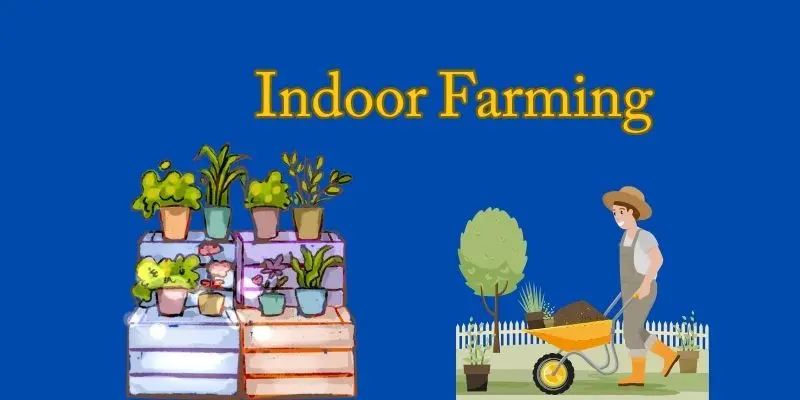
Unlike traditional farming, indoor farming offers:
- Faster growth cycles
- Year-round production
- Lower water usage
- Higher-quality crops
- Minimal risk from pests and diseases
In this system, equipment becomes your climate, and the environment you create becomes your farm’s strongest advantage.
Why Indoor Farm Equipment Matters More Than Anything
Indoor farming succeeds when farmers gain complete control — and that control comes through equipment.
Indoor farm equipment gives you:
- Consistent crop quality
- Faster harvest cycles
- Predictable yields
- Reduced water and fertilizer waste
- Protection from weather extremes
- Ability to grow in small spaces
- Increased profitability
When you understand your tools, indoor farming becomes not only possible — it becomes powerful.
Essential Indoor Farm Equipment: The Complete Guide
Below is a professional, comprehensive list of the equipment required for setting up a modern indoor farm. Each section explains its purpose, how it works, and why it is essential for successful indoor cultivation.
1. Grow Lights: Your Indoor Sun
Light is the engine of plant growth. In indoor farming, the sun is replaced by grow lights — carefully designed to provide the right intensity, spectrum, and duration.
Types of Grow Lights
LED Grow Lights (Best Choice)
- Energy-efficient
- Long lifespan
- Low heat output
- Full-spectrum options available
- Ideal for leafy greens, herbs, fruiting crops
Fluorescent Lights
- Good for seedlings and microgreens
- Lower intensity

HID Lights (HPS & Metal Halide)
- High output
- Generate heat
- Often used in large-scale indoor farms
Why You Need Grow Lights
Light impacts:
- Photosynthesis
- Plant structure
- Color and nutrient content
- Yield size
- Growth speed
Indoor farming begins with light — the stronger and more accurate your lighting system, the healthier your crops.
2. Hydroponic or Soil-Based Growing Systems
To grow indoors, you must choose how your plants will receive water and nutrients.
Hydroponic Growing Systems
Hydroponics means growing plants without soil. Instead, roots absorb nutrients from water.
Popular systems:
- DWC (Deep Water Culture) – simple, affordable, beginner-friendly
- NFT (Nutrient Film Technique) – fast-growing, efficient for leafy greens
- Drip Hydroponics – excellent for tomatoes, cucumbers, peppers
- Ebb and Flow – reliable and balanced
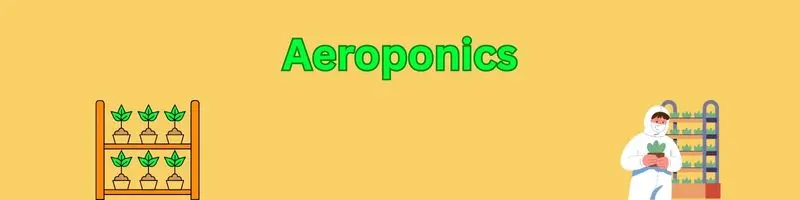
Aeroponics
Roots are suspended in air and misted with nutrients.
Fastest growth but requires advanced equipment.
Soilless Media (Coco Peat, Perlite, Vermiculite)
Simple and highly effective for home indoor farms.
Why Growing Systems Matter
They determine:
- How stable the plant grows
- How well roots absorb nutrition
- Water efficiency
- Growth speed
Choosing the right system sets the tone for your entire farm.
3. Grow Tents or Controlled Growing Space
A grow tent acts like a small, portable indoor farm.
Benefits of Grow Tents
- Maintains stable environment
- Maximizes light reflection
- Prevents pests
- Offers temperature control
- Perfect for beginners
Grow tents come in sizes from 2×2 ft to large commercial setups. They are ideal if you want full control with minimal cost.
4. Ventilation and Air Circulation System
Air quality is critical. Without proper air movement, plants grow weak and stressed.
Equipment Required
- Inline fans
- Exhaust fans
- Oscillating fans
- Carbon filters
Why Ventilation Is Necessary
- Controls temperature
- Prevents mold and fungus
- Supplies fresh CO₂
- Strengthens plant stems
Proper ventilation means healthier and stronger crops.
5. Temperature and Humidity Control System
Indoor farms must mimic ideal weather conditions.
Equipment Needed
- Air conditioners
- Heaters
- Humidifiers
- Dehumidifiers
- Digital thermo-hygrometers
Why This Equipment Matters
Plants thrive in stable environments. Temperature swings and humidity spikes can destroy entire crops.
You need precise control to guarantee predictable results.
6. Irrigation and Water Management
Indoor farms rely on precise, consistent watering.
Irrigation Tools
- Pumps
- Drip lines
- Water timers
- Reservoir tanks
- Water filters
Automation reduces human error and ensures plants receive the right amount of water every time.
7. Nutrient Management Tools
Indoor farming plants depend entirely on you for nutrition.
Essential Tools
- pH meter
- EC/TDS meter
- pH up/down solutions
- Nutrient concentrates
- Measuring syringes and cups
Why This Matters
Incorrect pH or EC leads to:
- Poor growth
- Yellowing leaves
- Nutrient burn
- Root damage
Good nutrient management ensures fast growth and higher yield.
8. CO₂ Enrichment Systems (Optional but Powerful)
Plants absorb CO₂ during photosynthesis. Increasing CO₂ levels boosts growth.
Options
- CO₂ tanks
- CO₂ generators (for large farms)
- CO₂ bags (for small setups)
CO₂ is not essential, but it dramatically increases harvest volume.
9. Monitoring and Automation Tools
Smart indoor farms rely on technology.
Recommended Tools
- Smart plugs
- Wi-Fi monitors
- Timers for lights
- Nutrient dosing devices
- Environmental controllers
Automation reduces mistakes and increases efficiency.
Step-by-Step Guide: How to Start a Modern Indoor Farm With Confidence
Below is a detailed plan to help you launch your indoor farm professionally.
Step 1: Choose Your Crops Wisely
Start with easy, fast-growing crops:
- Lettuce
- Basil
- Spinach
- Mint
- Kale
- Microgreens
- Cherry tomatoes
These crops grow quickly and help you learn the system before expanding.
Step 2: Plan Your Space
Small spaces can produce large yields.
You can use:
- A spare room
- A corner
- A storeroom
- A garage
- A basement
- A grow tent
Clean the area, check airflow, and ensure electrical safety.
Step 3: Install the Grow Lights
Hang LED lights securely.
Make sure light distances match crop type.
Use timers for consistent light cycles.
Light is the foundation — do not compromise.
Step 4: Set Up Your Growing System
Depending on your choice:
- Assemble hydroponic trays
- Prepare DWC buckets
- Fill coco peat pots
- Set up NFT channels
Ensure water lines, pumps, and reservoirs are secure.
Step 5: Establish Climate Control
Check:
- Ventilation
- Temperature
- Humidity
Test your equipment for at least 24 hours before planting.
Step 6: Prepare Nutrient Solution
Follow accurate measurement guidelines.
Check pH (5.5–6.5 is ideal).
Ensure EC matches crop type.
Strong roots depend on correct nutrient balance.
Step 7: Start Seeding and Transplanting
Germinate seeds in:
- Rockwool
- Coco peat
- Seedling trays
Move seedlings into the main system once roots develop.
Step 8: Monitor Daily
Check:
- Water level
- pH & EC
- Leaf color
- Temperature/humidity
- Light cycle
Indoor farming rewards consistency.
Step 9: Harvest and Replant
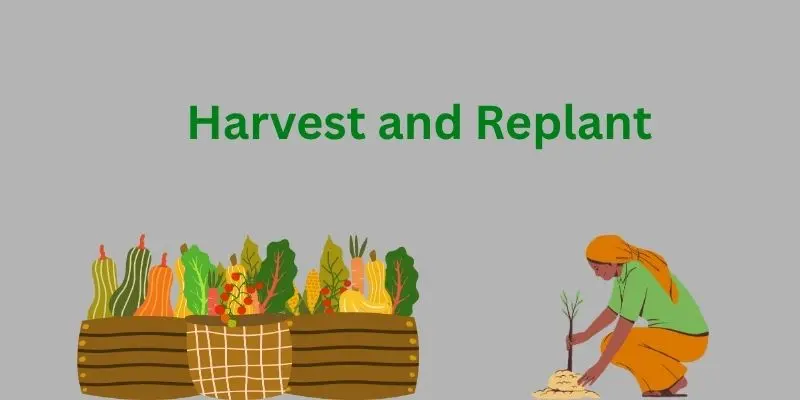
Indoor farms generate:
- Microgreens every 10–20 days
- Lettuce every 30–40 days
- Herbs every 25–35 days
Faster cycles = faster income.
Benefits of Modern Indoor Farming
More Control
Farmers control every variable — the power of nature in their hands.
Water Efficiency
Uses up to 90% less water than soil farming.
No Chemicals or Pesticides
Indoor farms produce clean, healthy food.
Year-Round Production
You can grow anytime — winter or summer.
Bigger Yields in Smaller Spaces
Perfect for urban areas and small homes.
Better Income Stability
Predictable harvest cycles lead to predictable earnings.
Common Indoor Farming Mistakes to Avoid
- Using weak grow lights
- Overwatering
- Ignoring pH levels
- Poor ventilation
- Overfeeding nutrients
- Choosing difficult crops
- Using the wrong grow tent size
- Not sterilizing equipment
Learn from others — avoid these mistakes for long-term success.
Advanced Equipment for Professional Indoor Farms
For commercial indoor farming, additional tools enhance results:
- Automated climate control systems
- Real-time nutrient monitors
- Large-scale hydroponic racks
- Vertical tiers
- UV sterilization lights
- Backup generators
- Smart irrigation pumps
These tools turn indoor farms into profitable agritech ventures.
FAQs about Indoor Farm Equipment:
Here are some of the most frequently asked questions about the Indoor Farm Equipment: Step-by-Step Guide to Starting a Modern Indoor Farm with Confidence
You only need a few essentials: grow lights, climate control, nutrient delivery, and proper shelving. These tools create a controlled environment where plants grow faster and healthier. Start small, then upgrade as your farm expands.
Grow lights replace natural sunlight and give plants the exact spectrum they need. This ensures strong roots, faster growth, and year-round harvests. With the right lighting, even small indoor spaces can produce big yields.
Temperature, humidity, and airflow decide how well your crops perform. With stable conditions, plants stay disease-free, high-quality, and consistent. It transforms guesswork into reliable, predictable farming.
No, you can start with low-cost equipment and scale slowly. Many indoor farms begin with DIY shelves, budget lights, and simple hydroponic kits. Smart planning reduces cost while boosting long-term profit.
Modern equipment uses less water, fewer chemicals, and grows more in limited space. This means higher yields, faster cycles, and premium-quality crops that sell at better prices. Efficient tools turn your farm into a sustainable business.
Conclusion
Indoor farming is more than technology — it is a transformation of how we grow food, how we use space, and how we secure our future. With the right equipment, even the smallest space can become a source of fresh, healthy, high-yield crops.
This guide gives you everything you need to start your indoor farm confidently — the tools, the steps, the systems, and the inspiration. Whether you are a farmer seeking stability, a beginner searching for opportunity, or an entrepreneur exploring modern agriculture, indoor farming opens the door to endless possibilities.
Your indoor farm is not just a setup — it is a promise.
A promise of sustainable growth.
A promise of smarter farming.
A promise of independence.





- Be Respectful
- Stay Relevant
- Stay Positive
- True Feedback
- Encourage Discussion
- Avoid Spamming
- No Fake News
- Don't Copy-Paste
- No Personal Attacks
- Be Respectful
- Stay Relevant
- Stay Positive
- True Feedback
- Encourage Discussion
- Avoid Spamming
- No Fake News
- Don't Copy-Paste
- No Personal Attacks
