Land Preparation in Agriculture: Proven Methods to Boost Soil Health and Crop Productivity
Published: 7 Dec 2025
Land preparation sounds simple… until a farmer actually stands in the field and begins deciding what to do first. Should the soil be tested or plowed first? Should organic matter be added before leveling, or after? Farming looks easy from a distance, but when it’s time to make the right move, everything suddenly feels confusing. But this confusion is normal — because land preparation is both a science and an art. When done correctly, it becomes the foundation that turns ordinary soil into productive land capable of growing strong, healthy crops.
So, guys, without wasting time, let’s jump into the article to learn the Land Preparation in Agriculture: Proven Methods to Boost Soil Health and Crop Productivity
What Is Land Preparation in Agriculture?
Land preparation includes all the steps taken before planting to ensure the soil is fertile, balanced, and ready for seeds.
These steps usually include:
- soil testing
- clearing the land
- tilling
- adding organic matter
- leveling
- irrigation planning
- preparing the seedbed
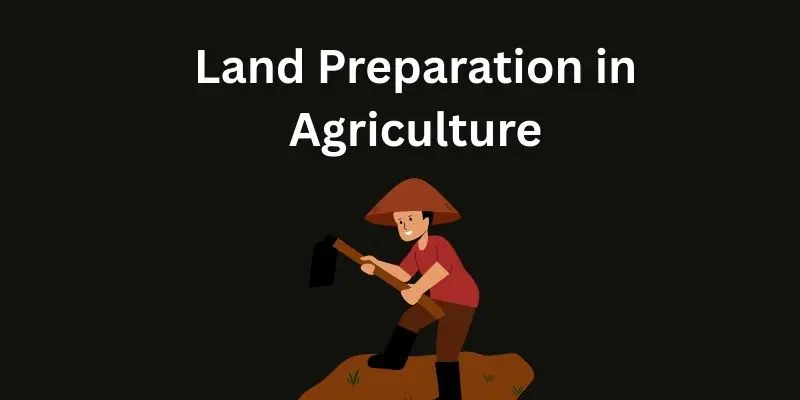
Proper land preparation directly boosts crop yield and soil health.
Why Land Preparation Matters for Crop Productivity
If the soil is compacted, unhealthy, or lacking nutrients, even the best-quality seeds cannot grow well. Good land preparation ensures:
- improved soil aeration
- deeper and stronger root growth
- better water absorption
- reduced weed and pest pressure
- balanced nutrient availability
Healthy land always leads to healthier crops.
Soil Testing — The Most Important First Step
Why Soil Testing Is Essential
A soil test reveals:
- pH level
- nitrogen, phosphorus, and potassium balance
- micronutrient levels
- organic matter percentage
- soil texture
This information helps farmers make correct decisions instead of guessing.
How to Perform Soil Testing
- Collect soil samples from different field locations.
- Mix them in a clean container.
- Send the sample to a soil testing lab.
- Follow the recommendations provided in the report.
Understanding the Results
- Ideal pH: 6–7
- Low nitrogen → compost or urea
- Low phosphorus → DAP
- Low organic matter → cow dung, compost, green manure
Clearing the Land — Creating a Clean Base
Before soil preparation begins, the land must be cleared properly.
What Should Be Removed?
- stones
- weeds
- crop residues
- dead roots
- bushes
- harmful debris
Why Clearing the Land Matters
If weeds or residues remain:
- pests multiply
- diseases spread
- root growth becomes restricted
- nutrients get wasted
A clean field gives crops a fresh beginning.
Tilling the Soil — Breaking Hard Soil for Root Growth
Benefits of Tilling
Tilling helps to:
- loosen the soil
- improve oxygen movement
- increase water absorption
- mix organic matter
- destroy weeds
Types of Tilling
Primary Tillage (deep plowing):
- moldboard plow
- disc plow
- chisel plow
Secondary Tillage (shallow preparation):
- rotavator
- harrow
- cultivator
Avoid Over-Tilling
Too much tilling can:
- damage soil structure
- cause moisture loss
- increase erosion
Balance is essential.
Adding Organic Matter — Feeding the Soil Naturally
Best Organic Materials
- compost
- cow dung
- poultry manure
- green leaves
- vermicompost
- crop residue
Benefits of Organic Matter
Organic matter:
- improves soil structure
- increases fertility
- enhances water-holding capacity
- promotes microbial activity
- reduces chemical fertilizer dependence
How to Apply Organic Matter
- Spread it evenly across the land.
- Allow it to dry for a few days.
- Mix it deeply into the soil using a tiller.
Leveling the Land — Ensuring Even Water Flow
Why Leveling Is Important
Level land:
- prevents waterlogging
- ensures uniform water distribution
- helps seeds germinate evenly
- reduces irrigation costs
Methods of Leveling
- traditional plank leveling
- laser land leveling (highly accurate and water-saving)
Laser leveling saves 30–40% water and increases productivity.
Irrigation Planning — Preparing the Farm for Water Supply
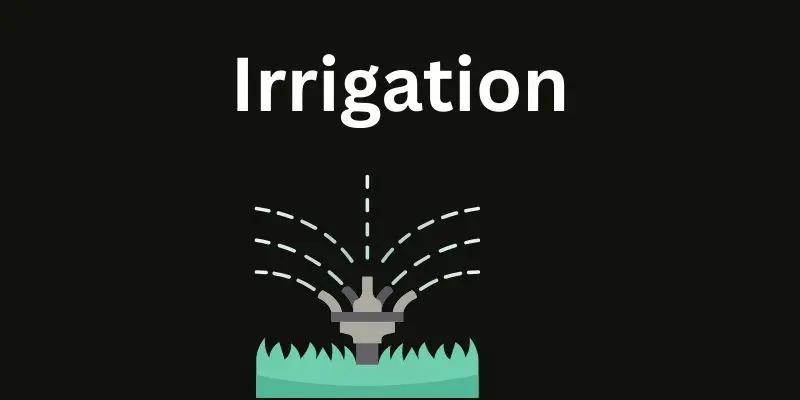
Common Irrigation Methods
- drip irrigation
- sprinkler irrigation
- furrow irrigation
- flood irrigation
Best Choices for Different Crops
- Vegetables → Drip
- Wheat / Grains → Flood or furrow
- Orchards → Sprinkler or drip
Good irrigation planning ensures even moisture throughout the field.
Improving Soil Fertility — Strengthening the Soil
Top Fertility Improvement Methods
- adding compost
- crop rotation
- green manuring
- biofertilizers
- micronutrient mixtures
Benefits
- stronger and deeper roots
- faster growth
- better resistance to diseases
- higher yields
Weed Management During Land Preparation
Why Weed Control Is Important
Weeds compete with crops for:
- sunlight
- water
- nutrients
Best Weed Control Practices
- deep plowing
- mulching
- soil solarization
- pre-emergence herbicides
Weed-free soil → healthy crops → better yields.
Mulching — Protecting the Soil Before and After Planting
Best Mulching Materials
- straw
- dry leaves
- plastic mulch
- crop residue
Benefits of Mulching
- reduces moisture loss
- prevents weed growth
- controls soil temperature
- increases microbial activity
Final Soil Preparation — Creating the Perfect Seedbed
Final Steps to Prepare the Soil
- smooth the soil surface
- make beds or ridges
- plan spacing based on crop type
Types of Seedbeds
- flat beds
- raised beds
- ridge and furrow
- contour beds (for slopes)
The seedbed must be soft, fertile, and moist for best germination.
Conclusion
Land preparation is not just a farming step — it is the foundation of a successful harvest. When a farmer prepares the soil with patience, care, and the right techniques, the land responds with healthier crops and higher yields. Good soil preparation protects the seed, feeds the roots, and strengthens the entire crop cycle. Soil testing, tilling, leveling, organic matter addition, irrigation planning, and weed control — all these steps come together to transform the land into a productive field. A well-prepared field today ensures a strong, profitable harvest tomorrow.




- Be Respectful
- Stay Relevant
- Stay Positive
- True Feedback
- Encourage Discussion
- Avoid Spamming
- No Fake News
- Don't Copy-Paste
- No Personal Attacks
- Be Respectful
- Stay Relevant
- Stay Positive
- True Feedback
- Encourage Discussion
- Avoid Spamming
- No Fake News
- Don't Copy-Paste
- No Personal Attacks
