Modern Agricultural Techniques: The Smart Way to Grow More, And Save More,
Published: 6 Nov 2025
Farming is not just a profession; it’s an emotion, a legacy passed down through generations. For centuries, farmers have fed the world with sweat, soil, and sacrifice. But times are changing. With unpredictable weather, rising input costs, and shrinking water resources, traditional farming methods alone are no longer enough.
This is where modern agricultural techniques step in — blending traditional wisdom with smart technology. These innovations help farmers increase yield, improve soil health, save resources, and secure their families’ futures.
So, guys, without wasting time, let’s jump into the article to learn the Modern Agricultural Techniques
| Understanding Modern Agricultural Techniques |
|---|
|
Modern agricultural techniques refer to the scientific, data-driven, and technology-based methods that make farming more efficient and profitable. |
Why Modernization Is Important for Farmers Today
Today’s farmers face multiple challenges — climate change, pest outbreaks, soil degradation, and unstable market prices. Modernization helps overcome these problems by offering smarter, faster, and more accurate farming solutions.
For example, sensors can tell you exactly when your soil needs water, drones can monitor crop health, and weather apps can predict rainfall — saving you from losses and boosting your profit.
Modern farming isn’t about replacing tradition; it’s about strengthening it with innovation.

Precision Farming – Accuracy in Every Acre
Precision farming means using technology to manage fields precisely, rather than uniformly.
With GPS systems, satellite imagery, and soil sensors, farmers can understand each inch of their land. Instead of spreading fertilizer everywhere, they can target only where it’s needed.
This reduces waste, saves money, and protects the environment. Farmers using precision agriculture often see 30–40% better yield with less cost.
Even small farmers can start with affordable mobile-based soil test kits and data-sharing services.
Drip Irrigation and Water-Saving Technologies
Water is the lifeblood of farming, and every drop counts. Drip irrigation delivers water directly to plant roots through a network of pipes and emitters, preventing wastage through evaporation or runoff.
It is highly effective for crops like vegetables, sugarcane, and fruits.
Modern water-saving tools also include sprinkler systems, rainwater harvesting, and soil moisture sensors.
In many countries, governments offer up to 50–70% subsidy for installing drip systems — helping farmers save water and grow more.

Organic and Sustainable Farming Practices
Organic farming avoids synthetic fertilizers and pesticides, focusing on natural compost, crop rotation, and bio-fertilizers.
This method restores soil fertility, improves water retention, and produces healthier food.
Consumers around the world are now willing to pay more for chemical-free produce, making organic farming a profitable and eco-friendly choice.
Additionally, sustainable practices such as intercropping and vermicomposting protect biodiversity and ensure long-term productivity.
Smart Farming with Technology and Mobile Apps
Modern farmers are now going digital. With the rise of smartphones and IoT devices, farming has entered the tech era.
Farmers can use mobile apps to:
- Monitor weather forecasts
- Identify crop diseases
- Receive real-time market prices
- Connect with buyers directly
Drones are also helping in aerial spraying and crop monitoring, while IoT sensors track soil moisture and nutrient levels.
This smart data-driven approach helps farmers make better, faster decisions — saving both time and resources.
Greenhouse and Hydroponic Farming – Farming Without Soil
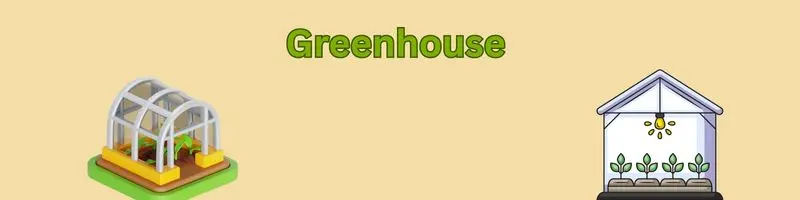
Greenhouse farming allows crops to grow in a controlled environment, protecting them from pests, wind, and extreme weather.
Farmers can regulate temperature, humidity, and light to produce high-value crops like tomatoes, capsicum, and flowers all year round.
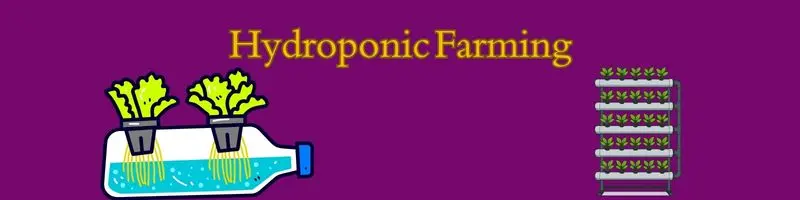
Hydroponic farming, on the other hand, grows plants in water mixed with nutrients — no soil needed!
It uses 80–90% less water than traditional farming and yields 2–3 times more produce.
These advanced methods are ideal for urban or small-space farmers who want to earn more from less land.
Financial and Government Support for Modern Farmers
Many farmers hesitate to adopt modern techniques due to the cost, but several government schemes are designed to help.
Programs like PM-Kisan Samman Nidhi, NABARD agricultural loans, and Micro-Irrigation Fund offer financial aid and subsidies.
Farmers can also access Kisan Credit Cards (KCC) for low-interest loans.
Additionally, state governments run training programs to teach farmers how to use new technology effectively.
By taking advantage of these schemes, even small-scale farmers can modernize without heavy investment.
Common Challenges in Adopting Modern Techniques
Despite the benefits, some barriers remain:
- High initial cost of equipment and setup
- Lack of technical knowledge
- Poor access to digital tools in remote areas
- Resistance to change due to traditional mindsets
To overcome these, farmers can form cooperatives, share expensive machines, or attend government-sponsored training.
With community support and awareness, modernization becomes easier and more affordable.
The Future of Agriculture in India – Smart, Sustainable, and Profitable
The future belongs to the tech-savvy farmer. New trends like AI-based crop prediction, robotic harvesting, and vertical farming are transforming agriculture.
Young entrepreneurs are entering the field with AgriTech startups that connect farmers directly to markets and buyers.
As global demand for food rises, India’s farmers can lead the world by combining traditional knowledge with modern technology.
This future isn’t far away — it’s already beginning in fields across the country.
FAQs about Modern Agricultural Techniques:
Here are some of the most frequently asked questions about the Modern Agricultural Techniques: The Smart Way to Grow More, And Save More
Modern agricultural techniques refer to advanced farming methods that use technology, data, and innovation to increase crop yield and reduce costs. These include precision farming, drip irrigation, hydroponics, vertical farming, and smart sensors. By adopting modern agriculture, farmers can save resources like water and fertilizer while producing more food efficiently.
Smart farming uses IoT devices, soil sensors, and drones to collect real-time data. This helps farmers apply the right amount of water, fertilizer, and pesticides only where needed — reducing waste and lowering production costs. In short, smart farming improves profits while protecting the environment.
Technology plays a key role in modern agriculture by automating farm operations and improving decision-making. Tools like AI-based crop monitoring, GPS-guided tractors, and climate prediction apps help farmers grow more crops with fewer inputs. This makes farming more efficient, sustainable, and profitable.
Sustainable agriculture ensures that farming meets today’s food needs without harming future generations. By using eco-friendly practices like organic farming, renewable energy, and efficient irrigation, modern farmers can protect soil health and reduce carbon emissions — making agriculture better for people and the planet.
Modern agricultural techniques offer multiple benefits:
- Higher crop productivity
- Lower costs for water, seeds, and fertilizers
- Improved soil health
- Reduced environmental impact
- Better income for farmers
Conclusion
The heart of farming will always be the farmer’s hard work, but the future depends on smart work.
Modern agricultural techniques empower farmers to grow more, earn more, and protect the environment.
Every farmer deserves to see his field flourish and his effort valued.
By embracing innovation, today’s farmers are not just feeding the nation — they are shaping a better, greener, and more prosperous tomorrow.



- Be Respectful
- Stay Relevant
- Stay Positive
- True Feedback
- Encourage Discussion
- Avoid Spamming
- No Fake News
- Don't Copy-Paste
- No Personal Attacks
- Be Respectful
- Stay Relevant
- Stay Positive
- True Feedback
- Encourage Discussion
- Avoid Spamming
- No Fake News
- Don't Copy-Paste
- No Personal Attacks
