Multi-Storey Greenhouses: A Smart Way to Grow More in Less Space
Published: 23 Nov 2025
Farming is facing a new era of challenges: shrinking land, unpredictable weather, and rising demand for high-quality crops. Multi-storey greenhouses offer a revolutionary solution by allowing crops to grow vertically, multiplying yield without extra land. Farmers can control temperature, light, and water, ensuring healthier crops year-round. This approach reduces pests, saves water, and boosts productivity. Even small plots can produce large amounts of vegetables, herbs, and fruits. With modern technology and smart farming practices, these greenhouses are transforming agriculture worldwide. For farmers who want higher profits, stable production, and efficient resource use, multi-storey greenhouses are the future of farming success.
So, guys, without wasting time, let’s jump into the article to learn the Multi-Storey Greenhouses: A Smart Way to Grow More in Less Space
1. Why Multi-Storey Greenhouses Matter
Multi-storey greenhouses are more than just structures—they are a solution to land scarcity and climate uncertainty. They allow farmers to grow crops on multiple vertical layers, maximizing space and resources. These greenhouses provide protection from pests, harsh weather, and soil-borne diseases. By controlling the environment, farmers can increase crop quality and yield. This innovation is especially useful for urban farmers, small-scale growers, and anyone looking to increase productivity without expanding land. Multi-storey greenhouses reduce dependency on seasonal changes and make farming more predictable and profitable.
2. What Is a Multi-Layer Greenhouse?
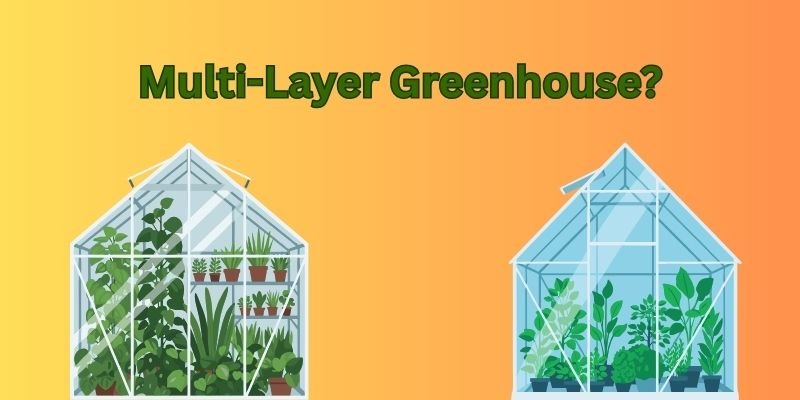
A multi-layer greenhouse is a vertical farming structure where crops are grown on two or more levels. Each layer has growing trays or shelves with controlled lighting, irrigation, and ventilation. These systems ensure each crop gets the right temperature, humidity, and nutrient supply. Farmers can grow different crops on different layers simultaneously. This setup is highly efficient, reduces labor, and optimizes space use. Multi-layer greenhouses can use hydroponics, aeroponics, or soil-based systems, making them versatile and adaptable for various farming needs.
3. Maximize Yield on Small Land
The main advantage of multi-storey greenhouses is maximizing production on limited land. Farmers can achieve yields comparable to large farms in just a fraction of the space. Vertical stacking allows multiple crops to grow simultaneously without crowding. This is perfect for areas where land is expensive or scarce. Small landholders can increase income significantly without investing in additional plots. By using every inch of available space efficiently, farmers reduce land cost per kilogram of produce. Multi-layer cultivation also helps in urban farming and rooftop agriculture.
4. Year-Round Crop Growth
One of the biggest benefits of multi-storey greenhouses is continuous, year-round production. Farmers no longer have to depend on seasonal changes. Temperature control, humidity management, and artificial lighting enable crops to grow in summer, winter, or monsoon. This ensures consistent supply to markets and restaurants. Continuous growth increases farmer income and provides food security. Crops grown in controlled environments are less affected by climate change, droughts, or floods. Stable production allows better financial planning and reduces crop failure risk.
5. Smart Irrigation & Lighting
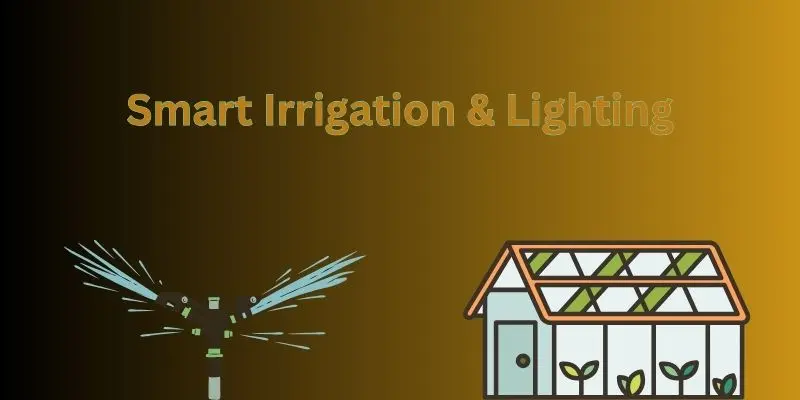
Multi-storey greenhouses use advanced irrigation and lighting systems to optimize growth. Drip irrigation, hydroponics, and aeroponics provide water directly to roots, reducing wastage. LED grow lights ensure uniform light distribution across all layers. Automated systems save labor, energy, and water costs. Farmers can schedule irrigation and lighting according to crop needs. Efficient water use is especially beneficial in drought-prone areas. These systems also reduce dependence on natural sunlight, allowing higher yield even in low-light conditions.
6. Step-by-Step Setup Guide
Setting up a multi-storey greenhouse requires careful planning:
- Frame Selection: Use strong metal or PVC frames to support multiple layers.
- Covering Material: Polycarbonate sheets or UV-stabilized plastic provide light and protection.
- Layer Installation: Install adjustable shelves or trays for vertical growing.
- Irrigation System: Set up drip, hydroponic, or aeroponic watering systems.
- Lighting Setup: Use LED grow lights to ensure proper photosynthesis.
- Ventilation & Climate Control: Fans and sensors maintain temperature and humidity.
- Crop Selection: Start with easy-to-grow crops before moving to high-value plants.
This step-by-step approach ensures farmers build a durable, efficient, and high-yield greenhouse system.
7. Best Crops to Grow
Certain crops thrive in multi-storey greenhouses due to their growth pattern and space efficiency:
- Leafy Greens: Lettuce, spinach, kale—fast-growing and high-demand.
- Herbs: Basil, mint, coriander—compact and profitable.
- Vegetables: Tomatoes, peppers, cucumbers—high yield under controlled conditions.
- Strawberries: Grow vertically for premium prices.
- Microgreens: Quick harvest, minimal space, excellent market value.

Choosing crops based on market demand ensures maximum profit and reduces risk.
8. Cost & Profit Overview
Multi-storey greenhouses require an initial investment, but they are highly profitable in the long run.
- Setup Cost: Depends on size, materials, and irrigation systems.
- Running Cost: Lower labor and water expenses due to automation.
- Profit Potential: Higher yield, year-round production, and premium crop quality lead to faster ROI.
- Maintenance & Upgrades: Minimal maintenance required, and upgrades in technology can further increase efficiency.
- Market Advantage: Ability to grow off-season crops fetches higher prices and attracts niche markets.
Even small-scale farmers can recover costs within 1–2 years if crops are carefully planned and managed.
9. Real Farmer Success Stories
Farmers worldwide are experiencing remarkable results with multi-storey greenhouses. In urban areas, small plots have produced 5–7 times more yield than traditional fields. Vegetable and herb growers report higher-quality produce, better market prices, and reduced crop loss. Continuous harvest cycles have improved income stability. These success stories show that with proper planning and management, multi-storey greenhouse farming is both practical and profitable. Farmers are now confident about investing in this technology for long-term growth.
10. Common Challenges & Solutions
While multi-storey greenhouses are highly beneficial, farmers may face challenges:
- High Initial Cost: Solution: Start small, gradually expand.
- Technical Knowledge Required: Solution: Attend workshops, consult experts.
- Pest Management: Solution: Use integrated pest management (IPM) and closed systems.
- Energy Costs: Solution: Use energy-efficient LED lights and solar power.
- Maintenance: Solution: Regular inspection and preventive care.
With proper planning, these challenges can be minimized, ensuring smooth operations.
| 11. Subsidies & Government Support |
|---|
|
Many governments provide financial support for modern greenhouse farming. Subsidies, low-interest loans, and training programs help farmers adopt multi-storey greenhouses. Checking local agricultural departments and government schemes can reduce setup costs. Support programs often include technical guidance, seeds, and equipment assistance. Farmers can leverage these opportunities to make their greenhouse projects more affordable and sustainable |
11. Subsidies & Government Support
Many governments provide financial support for modern greenhouse farming. Subsidies, low-interest loans, and training programs help farmers adopt multi-storey greenhouses. Checking local agricultural departments and government schemes can reduce setup costs. Support programs often include technical guidance, seeds, and equipment assistance. Farmers can leverage these opportunities to make their greenhouse projects more affordable and sustainable.
12. Top Tips for Success
- Start with easy-to-grow crops to gain experience.
- Monitor climate, water, and nutrient levels daily.
- Keep automation systems well-maintained.
- Rotate crops to prevent nutrient depletion.
- Focus on high-demand, high-value crops for profit.
- Learn from other farmers’ experiences.
- Scale gradually to manage costs and risk effectively.
Following these tips ensures long-term productivity and financial success.
13.Advanced Technology Integration
Integrating IoT, AI, and smart sensors can transform multi-storey greenhouses into highly efficient farms. Automated monitoring of temperature, humidity, and nutrient levels reduces human error and increases yield. Farmers can track real-time data, predict problems, and optimize growth cycles—making farming smarter, faster, and more profitable.
14. Marketing & Selling Strategies
High-quality produce from multi-storey greenhouses can fetch premium prices if marketed smartly. Consider:
- Partnering with local supermarkets or restaurants
- Online direct-to-consumer delivery
- Branding crops as “fresh,” “organic,” or “off-season”
- Participating in farmer markets or subscription boxes
FAQs about Multi-Storey Greenhouses
Here are some of the most frequently asked questions about the Multi-Storey Greenhouses: A Smart Way to Grow More in Less Space
A multi-storey greenhouse is a vertical farming structure with multiple layers for growing crops in a controlled environment, maximizing yield in limited space.
Costs depend on size, materials, irrigation systems, and automation. Initial investment is higher, but long-term profits and reduced running costs make it worthwhile.
Leafy greens, herbs, tomatoes, cucumbers, peppers, strawberries, and microgreens thrive in multi-layer setups, offering high yield and premium prices.
Yes! With controlled temperature, humidity, and smart lighting, crops can grow throughout the year, regardless of external weather conditions.
Absolutely. Even small-scale farmers can increase production, reduce labor, save water, and sell high-value crops, achieving faster ROI.
Conclusion
Multi-storey greenhouses are revolutionizing modern farming by helping farmers grow more crops on less land. They provide year-round production, reduce pests, save water, and increase yield. Controlled environments ensure high-quality vegetables, fruits, and herbs. Farmers can maximize profits, reduce risks, and achieve financial stability. Even small plots become highly productive with vertical layers. By adopting multi-storey greenhouse technology, farmers embrace a sustainable, efficient, and modern way of farming. This system is not just an investment—it’s the future of profitable agriculture.






- Be Respectful
- Stay Relevant
- Stay Positive
- True Feedback
- Encourage Discussion
- Avoid Spamming
- No Fake News
- Don't Copy-Paste
- No Personal Attacks
- Be Respectful
- Stay Relevant
- Stay Positive
- True Feedback
- Encourage Discussion
- Avoid Spamming
- No Fake News
- Don't Copy-Paste
- No Personal Attacks
