Urban Farming Methods: A Helpful Guide for Modern City Growers
Published: 25 Nov 2025
Urban Farming Methods can be confusing for many city people. They often ask, “Can I grow vegetables on my balcony or rooftop? Do I need special tools or a lot of money?” There are many ways to farm in the city, like vertical farming, hydroponics, rooftop gardening, and aquaponics, which can feel overwhelming. Some worry they might fail or waste their effort. Even small apartments seem too cramped to grow anything. This guide will make it easy to understand and show simple steps to grow fresh, healthy food in any city space. By the end, anyone can feel ready to start their own urban farm.
So, guys, without wasting time, let’s jump into the article to learn the Urban Farming Methods: A Complete, Simple & Helpful Guide for Modern City Growers
What Is Urban Farming?
Urban farming means growing vegetables, fruits, and herbs inside a city using small spaces and smart techniques. It is designed for people who don’t have big land but still want to grow their own healthy, chemical-free food. Urban farming improves food quality, reduces pollution, and increases self-sufficiency.
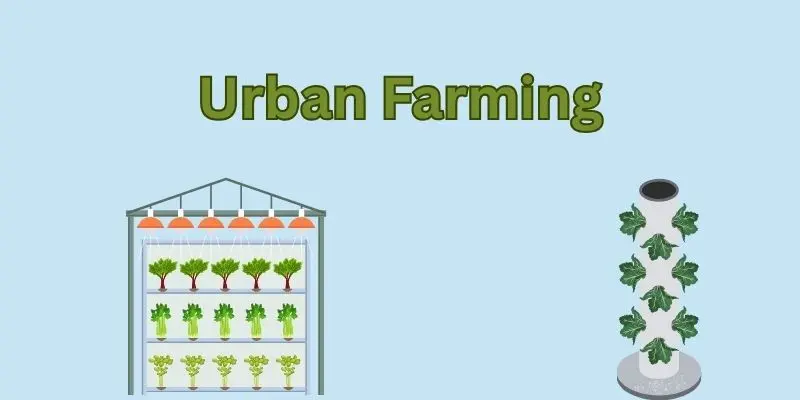
Key features include:
- Efficient use of small spaces
- Low water consumption
- Soil-less or container systems
- Clean, pesticide-free produce
- Year-round cultivation possibilities
Rooftop Farming
Rooftop farming converts unused rooftops into productive green spaces. This method is ideal in urban areas where open land is limited. It helps reduce building heat, lowers electricity costs, and provides fresh vegetables daily. Most rooftops can support lightweight farming with simple materials.
How Rooftop Farming Works:
- Grow bags, pots, and raised beds
- Lightweight soil mix
- Drip irrigation or manual watering
- Proper water drainage
- Best crops: tomatoes, okra, chilies, mint, spinach
Vertical Farming
Vertical farming is the most space-saving urban farming method. Instead of spreading crops horizontally, plants are grown vertically in stacked layers. This exponentially increases production and makes farming possible even inside a single room.
How Vertical Farming Works:
- Multi-layer racks or towers
- LED lights for indoor growth
- Soil-less systems like hydroponics
- Temperature and humidity control
- Ideal for leafy greens and herbs
Hydroponic Farming
Hydroponics allows plants to grow without soil by using nutrient-rich water. This method gives fast growth, clean produce, and uses up to 90% less water. It is ideal for beginners who want high-quality vegetables with minimal effort.
How Hydroponics Works:
- Plants placed in net pots
- Nutrient water circulates through pumps
- pH and EC levels monitored
- No soil, no mess
- Best for lettuce, basil, coriander, mint
Aquaponic Farming
Aquaponics is a natural method combining fish farming with hydroponics. Fish waste becomes fertilizer for plants, and plants clean the water for fish. It is extremely sustainable and reduces the need for chemical nutrients.
How Aquaponics Works:
- Fish tank + grow bed connection
- Water cycles between the two
- Plants absorb nutrients
- Less maintenance and high growth
- Ideal for tomatoes, peppers, leafy greens
Indoor LED Farming
Indoor LED farming is perfect for people who have zero sunlight access. Using full spectrum LED lights, plants grow indoors with complete climate control. This method is popular for microgreens and high-value herbs.
How Indoor LED Farming Works:
- Racks or shelves inside a room
- Energy-efficient LEDs
- Hydroponic trays or small containers
- Controlled temperature and airflow
- Best for microgreens, basil, lettuce
Balcony Farming
Balcony farming is the simplest form of urban farming. Anyone with even a tiny balcony can grow vegetables in pots or railing planters. It improves air quality, enhances home beauty, and gives organic vegetables.
How Balcony Farming Works:
- Use vertical planters to save space
- Choose lightweight pots
- Add compost-rich soil
- Water regularly
- Ideal for mint, coriander, chillies, tomatoes
Community Urban Gardens
Community gardens are shared spaces where multiple families grow food together. These gardens often form in empty plots, parks, or unused government land. They strengthen community bonding and promote healthy lifestyles.
Features of Community Gardens:
- Shared responsibility
- Low-cost organic farming
- Skill and knowledge exchange
- Access to fresh vegetables for many families
- Great for vegetables, herbs, and flowers
| Container Farming |
|---|
|
Container farming uses shipping containers converted into climate-controlled farms. They work in all weather conditions and produce high yields with automated systems. This method is perfect for commercial urban farmers. How Container Farming Works:
|
Best Crops for Urban Farming
Urban farming is most successful with quick-growing, high-value crops.
Best Crops to Grow:
- Lettuce
- Spinach
- Kale
- Mint
- Basil
- Tomatoes
- Microgreens
- Strawberries
Cost of Urban Farming
Urban farming cost depends on the method and space. Beginners can start extremely small and expand later.
Approximate Cost Ranges:
- Balcony setup: $20–100
- Rooftop garden: $100–400
- Hydroponics: $200–800
- Vertical racks: $300–1500
- Indoor LED farm: $150–600
Profit in Urban Farming
Urban farming can earn steady income every month, especially through herbs, microgreens, and leafy greens. Local restaurants, cafes, and households prefer clean, fresh vegetables.
Profit Potential:
- Microgreens: high profit margin
- Herbs: premium market demand
- Lettuce: quick harvest cycles
- Vertical farming: year-round income
Common Challenges in Urban Farming
Although urban farming is easy to start, beginners face some common difficulties.
Common Problems:
- Limited sunlight
- Water management issues
- High electricity cost for LEDs
- Nutrient imbalance
- Lack of knowledge
Simple Solutions
These practical solutions make urban farming easy even for complete beginners.
Solutions for Beginners:
- Use shade nets to control sunlight
- Install drip or timer watering
- Start with low-maintenance crops
- Use energy-saving LED lights
- Learn basic hydroponics techniques
Beginner Step-by-Step Starter Plan
This section gives a simple and clear plan to help anyone start urban farming from zero. Perfect for people who feel confused or overwhelmed. Follow these steps slowly and steadily—you don’t need big money or experience.
Step-by-Step Plan:
- Choose your space: balcony, rooftop, or room
- Start with 4–6 easy crops
- Buy grow bags or pots
- Use quality soil or hydroponic setup
- Install basic irrigation or water manually
- Maintain daily sunlight or LED lights
- Use organic compost
- Learn from small mistakes
- Slowly expand with confidence
How to Sell Urban Farm Produce
Selling produce from urban farming is easier than most people think. Fresh, clean, pesticide-free vegetables have huge demand in cities. Restaurants, home cooks, and organic stores pay premium prices.
Ways to Sell Your Produce:
- Sell to cafes & restaurants
- Deliver to neighbors & offices
- Create weekly vegetable subscription boxes
- Sell online through social media
- Partner with organic stores
- Sell microgreens to chefs
- Start a WhatsApp ordering group
FAQs about Urban Farming Methods
Here are some of the most frequently asked questions about the urban Farming Methods: A Complete, Simple & Helpful Guide for Modern City Growers
Yes! Urban farming can be highly profitable even on small rooftops or balconies. With fast-growing crops like lettuce, herbs, and microgreens, beginners can start earning within 25–35 days.
You can begin with as little as 20–30 sq ft. Urban farming is designed for small spaces like rooftops, terraces, backyards, and even indoor shelves using hydroponics or vertical systems.
Leafy greens, basil, coriander, mint, microgreens, cherry tomatoes, and strawberries grow quickly and sell at higher prices. These crops give frequent harvests and excellent profit margins.
Not at all. A basic setup can start from $100–$300, while advanced hydroponic or vertical systems cost more. You can start small, learn, and expand as your income grows.
You can sell directly to local markets, restaurants, grocery stores, cafés, neighbors, and online via WhatsApp/Facebook. Fresh organic produce always gets premium rates in cities.
Conclusion
Urban farming is a powerful solution for growing fresh, healthy food in small city spaces. Anyone—no matter their age, experience, or land size—can start with simple methods like balcony farming, hydroponics, or vertical setups. These modern techniques save water, reduce daily expenses, and provide clean vegetables all year. Even beginners can follow a simple plan and become successful urban growers. With the option to sell produce locally, urban farming also opens doors to new income streams. It supports sustainability, improves health, and strengthens community living. Urban farming is not just a trend—it is the future of modern food production.






- Be Respectful
- Stay Relevant
- Stay Positive
- True Feedback
- Encourage Discussion
- Avoid Spamming
- No Fake News
- Don't Copy-Paste
- No Personal Attacks
- Be Respectful
- Stay Relevant
- Stay Positive
- True Feedback
- Encourage Discussion
- Avoid Spamming
- No Fake News
- Don't Copy-Paste
- No Personal Attacks
