Urban Farming Pros and Cons: A Practical Guide for Modern Home Growers
Published: 2 Dec 2025
Many beginners living in cities feel confused when they hear about urban farming. They wonder if they need big land, expensive tools, or professional skills to grow vegetables at home. Some people try gardening but fail because their plants die from overwatering or lack of sunlight. Others watch tutorials but still feel unsure about where to start or what to grow. Urban farming sounds easy, but without proper guidance, it becomes overwhelming quickly. Is it really worth the effort? Can it save money? Can it work in a small apartment or balcony? This guide clears all confusion and explains the real benefits and challenges of urban farming in simple, practical language.
1. What Is Urban Farming?
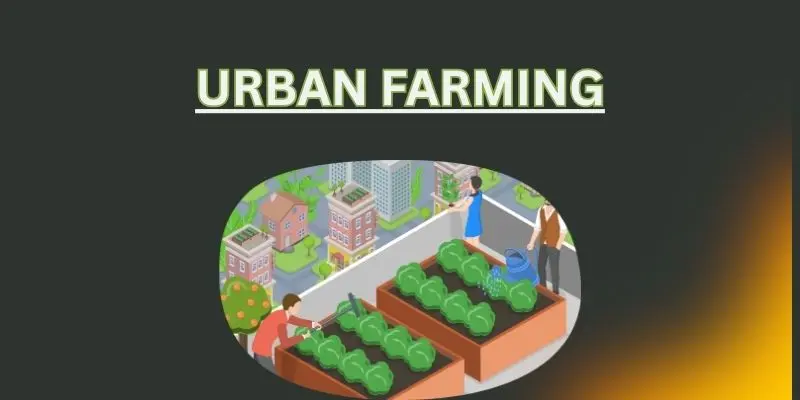
Urban farming means growing vegetables, herbs, fruits, or small plants inside the city using any available space. This includes balconies, rooftops, backyards, windowsills, small terraces, or even indoor shelves.
Urban farming focuses on making the best use of little space while saving water, reducing waste, and producing fresh food at home. You can grow plants in soil, containers, pots, or even modern systems like hydroponics.
Why it matters:
Urban farming allows families to eat fresh food, save money, reduce pollution, and live healthier—without needing traditional farmland.
2. Why Urban Farming Is Becoming Popular
Urban living is expensive, and food prices are rising every year. Many people want clean, chemical-free vegetables but cannot afford organic products.
Urban farming solves this by offering:
- Fresh homegrown food
- Low-cost gardening
- Better use of small spaces
- Healthy lifestyle
- Protection from market shortages
It’s trending because it gives people control over their food and health.
3. Pros of Urban Farming
Before starting, it’s important to understand the benefits clearly. Urban farming has many strong advantages, especially for beginners and small families.
Saves Money on Fresh Food
Growing your own vegetables reduces your monthly grocery bill. Items like lettuce, tomatoes, herbs, chilies, and spinach become free once your home garden starts producing regularly.
You spend once on pots, soil, and seeds, and enjoy fresh food for months.
Gives Chemical-Free, Healthy Vegetables
Store-bought vegetables often contain pesticides and harmful sprays. Homegrown vegetables are natural, fresh, and safe.
You control what goes into your plants—clean water, natural compost, and sunlight.
Reduces Stress and Improves Mental Health
Gardening is scientifically proven to reduce stress and improve mood. Planting seeds, watering plants, and watching them grow gives peace and emotional satisfaction.
It works as a daily therapy at home.
Best Use of Small Urban Spaces
Even if you have:
- A balcony
- A rooftop
- A tiny backyard
- A windowsill
You can grow vegetables easily. Urban farming doesn’t need big land.
Supports Environment & Sustainability
Urban gardens reduce food transport, lower pollution, and promote green spaces in crowded cities.
Plants improve air quality and reduce indoor heat.
Ensures Year-Round Supply of Fresh Food
You don’t depend on the market. Even during price hikes or shortages, your home garden keeps producing.
Vegetables like herbs, spinach, lettuce, chilies, and mint grow well throughout the year.
4. Cons of Urban Farming
Every method has challenges. It’s better to understand them early to avoid frustration.
Limited Space
Urban houses are small. Balconies may not have enough room for big plants. This limits the number of plants you can grow.
Solution: choose compact vegetables and vertical growing tricks.
Requires Daily Care
Plants need regular watering, pruning, and checking for pests. Missing a few days can affect growth.
Solution: use self-watering pots and automatic timers.
Sunlight Shortage in Apartments
Not every home receives 5–6 hours of sunlight. Without light, many vegetables become weak.
Solution: choose shade-loving crops or use LED grow lights.
Watering Mistakes
Beginners often overwater or underwater their plants. This causes root rot or dryness.
Solution: use moisture meters and learn the watering schedule for each crop.
Initial Setup Cost
You need pots, soil, seeds, compost, and tools. However, this is a one-time investment.
Solution: start small with 2–3 pots and expand gradually.
5. Best Places to Start Urban Farming at Home
Balcony Garden

Best for sunlight and air. Perfect for tomatoes, chilies, herbs, and leafy greens.
Rooftop Garden
Large space, great sunlight. You can grow almost anything here—cucumbers, melons, beans.
Indoor Shelves
Ideal for herbs: mint, basil, coriander. Works well with grow lights.
Windowsill Garden
Good for small pots and leafy greens.
Backyard Corner
Perfect for root vegetables and vines.
6. Best Vegetables for Urban Farming
Leafy Greens
Spinach
Lettuce
Fenugreek
Kale
Fast-growing and perfect for small spaces.
Herbs
Mint
Coriander
Basil
Oregano
Require minimal care and give continuous harvest.
Vegetables
Tomatoes
Chilies
Cucumbers
Bell peppers
These do well in containers and produce good yields.
Root Crops
Radish
Carrots
Beetroot
Spring onion
Grow well in deep containers.
7. How to Start Urban Farming Step-by-Step
Choose Your Space
Select a balcony, rooftop, backyard corner, or sunny windowsill.
Decide What to Grow
Choose easy crops like mint, spinach, tomatoes, chilies, or lettuce.
Prepare Soil or Growing Medium
Use a mix of:
50% potting soil
30% compost
20% coco peat
This ensures good drainage and nutrient supply.
Plant Seeds or Seedlings
Plant seeds at the correct depth and spacing. Keep soil lightly moist.
Water Properly
Water in the morning. Avoid overwatering. Keep soil moist, not soggy.
Ensure Sunlight
Most plants need 5–6 hours daily. If not available, use LED grow lights.
Fertilize Regularly
Use organic compost, liquid fertilizers, or kitchen waste compost.
Protect Plants from Pests
Use neem oil spray or soap water.
Harvest
Harvest when vegetables are fresh, young, and tender.
8. Urban Farming Tools You Need
Basic tools include:
Hand trowel
Water spray bottle
Pruning scissors
Pots or grow bags
Soil mix
Seeds and compost
You don’t need everything at once. Start simple.
9. Cost of Urban Farming
Urban farming is affordable once you start small.
Approx cost for beginners:
Pots: low
Seeds: low
Soil + compost: medium
Tools: low
Total starting cost is small and beneficial long-term.
10. Profit Potential for Urban Growers
You can earn from:
Selling herbs
Providing organic vegetables
Supplying microgreens
Selling starter plants
Even a small home grower can earn extra income monthly.
11. Urban Farming Success Stories
Balcony Farmer
A small apartment balcony produced fresh lettuce and herbs weekly, reducing grocery bills.
Rooftop Farmer
One family turned their rooftop into a mini-garden and now sells fresh herbs in the neighborhood.
Indoor Herb Garden
A student grows basil and mint in jars and earns extra income selling to cafes.
12. Common Problems Beginners Face
Not enough sunlight
Watering mistakes
Soil pests
Wrong crops
Overcrowding pots
All these are easy to fix with the right guidance.
13. Solutions to Common Problems
Use grow lights
Start with easy plants
Improve drainage
Use neem oil
Give plants space
Learning improves your garden quickly.
14. Government Support & Urban Farming Programs
Some cities offer:
Workshops
Training
Plant distribution
Loans
Subsidies
Check your local agriculture office for support.
15. Future of Urban Farming
The future is promising. Modern homes are moving towards:
Balcony gardens
Smart hydroponics
Rooftop greenhouses
Automated indoor farms
Urban farming will become a normal lifestyle soon.
16. Tips to Succeed in Urban Farming
Start small
Choose easy crops
Water correctly
Give sunlight
Use compost
Learn continuously
Small steps lead to big results.
Conclusion
Urban farming is one of the smartest and most practical ways for city residents to grow fresh food at home. While it comes with challenges like space, sunlight, and daily care, the benefits far outweigh the difficulties. With the right crops, simple tools, and a clear plan, anyone can create a thriving garden in a balcony, rooftop, or backyard. By understanding the real pros and cons, beginners can avoid mistakes and build a productive home garden that provides fresh, healthy, and affordable food all year long. Urban farming is not only a method of growing vegetables—it is a lifestyle that supports health, sustainability, and financial savings.





- Be Respectful
- Stay Relevant
- Stay Positive
- True Feedback
- Encourage Discussion
- Avoid Spamming
- No Fake News
- Don't Copy-Paste
- No Personal Attacks
- Be Respectful
- Stay Relevant
- Stay Positive
- True Feedback
- Encourage Discussion
- Avoid Spamming
- No Fake News
- Don't Copy-Paste
- No Personal Attacks
