What Are the Advantages of Vertical Farming
Published: 10 Nov 2025
Farming has always been the backbone of human life, but modern challenges like climate change, land shortage, and water scarcity are making it harder for farmers to earn a stable income. That’s why vertical farming has become a revolutionary method in modern agriculture.
Instead of growing crops on large land areas, farmers now grow plants in layers — one above another — using smart systems that control light, water, and nutrients. It’s a new hope for sustainable food production, helping farmers grow more in less space and earn better profits all year round.
So, guys, without wasting time, let’s jump into the article to learn What Are the Advantages of Vertical Farming
1. Grow More in Less Space
Traditional farming requires large land areas, but vertical farming uses stacked layers to grow crops, saving up to 90% of space. Farmers can grow many crops in small rooms, warehouses, or even city buildings.
This method is ideal for farmers with limited land. It makes every inch of space productive and allows 10–20 times more yield per square meter. For small or urban farmers, this is a life-changing opportunity to earn more with less.
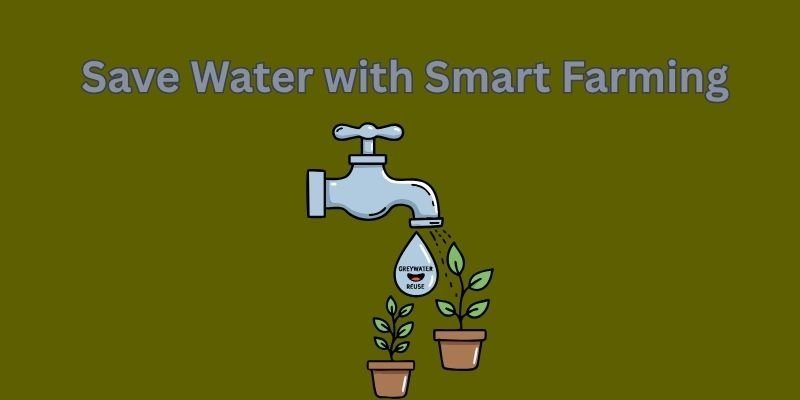
2. Save Water with Smart Farming
Water is life for every farmer, but traditional methods waste a lot of it. Vertical farming uses hydroponic systems that recycle water again and again.
This process saves up to 95% of water and ensures every drop is used wisely. It’s perfect for regions with water shortages or dry climates. Farmers can now grow healthy crops even where rainfall is low — keeping their farms productive year-round.
3. Grow All Year Without Depending on Seasons
Weather problems often hurt farmers — too much rain, drought, or extreme heat can destroy crops. Vertical farming solves this issue by creating a controlled environment indoors.
Farmers can grow crops any time of the year using artificial lighting and temperature control. That means no crop loss due to weather, steady income, and reliable production every month.
4. Fresh and Pesticide-Free Food
Because crops grow indoors, there’s no exposure to insects or diseases. This eliminates the need for harmful pesticides or chemicals.
Farmers can produce pure, organic-quality vegetables that are safe for consumers and better for health. These clean crops also sell at higher prices, increasing farmer income while promoting healthier communities.

5. Use of Smart Technology in Farming
Vertical farming uses modern technology like sensors, cameras, and automated systems to monitor plant health.
These smart tools measure light, temperature, and nutrients to ensure perfect growing conditions. This reduces mistakes and makes farming easier and more efficient. Farmers can even control farms through mobile apps — making agriculture modern, smart, and profitable.
6. Protect the Environment and Nature
Vertical farming helps protect our planet. It doesn’t use soil, requires less water, and reduces the need for chemical fertilizers.
It also helps cut down deforestation since less land is needed for farming. When powered by renewable energy like solar panels, it becomes a fully green farming method that supports both nature and farmers’ future.
7. Farming Inside Cities
With vertical farming, crops can be grown close to where people live — even in cities. This means fresh vegetables right from the local area, without long transport.
Urban vertical farms supply supermarkets and restaurants with fresh, daily-harvested food. This reduces fuel costs, keeps produce fresher, and helps local farmers earn more from nearby customers.
8. Faster Growth and More Harvests
Because vertical farms provide the best light, nutrients, and air, plants grow faster and healthier.
Farmers can get more harvests in a year compared to traditional fields. This increases profits, reduces waiting time, and keeps production consistent — perfect for growing vegetables and herbs in demand all year.
9. Higher Profits and Quick Return on Investment
While starting a vertical farm costs more at first, it pays off in the long run. Farmers save on water, labor, and fertilizer costs while producing crops that sell at premium prices.
Within a few years, most farmers recover their investment and start earning stable income. It’s a smart business model that combines farming with financial growth.
10. Fresh Food with Less Transport
Vertical farming allows farmers to grow crops near markets or cities. This reduces the need for long-distance transport, saving time and fuel costs.
Consumers receive fresh, nutrient-rich produce faster, while farmers enjoy higher satisfaction and loyalty from customers. It’s a win-win for both sides.
11. Learning and Innovation in Agriculture
Vertical farming has opened new doors for education and research. Students, scientists, and farmers are exploring new ways to grow food more efficiently.
It’s helping the next generation understand sustainable farming and technology-based agriculture — a perfect blend of science and tradition that keeps farming alive for the future.
12. Farming That Works in All Climates
Whether it’s a dry desert or a cold region, vertical farming can grow crops anywhere. Since it doesn’t depend on soil or natural weather, farmers are safe from droughts or floods.
This climate-proof system ensures stable food production no matter where you live — making it a reliable method for global food security.
13. Attracting the Young Generation to Farming
Many young people hesitate to choose farming as a career. But with vertical farming’s use of technology, automation, and innovation, agriculture becomes exciting again.
It offers career growth, creativity, and stability. Young entrepreneurs can now enter farming with confidence and bring fresh ideas to the industry.
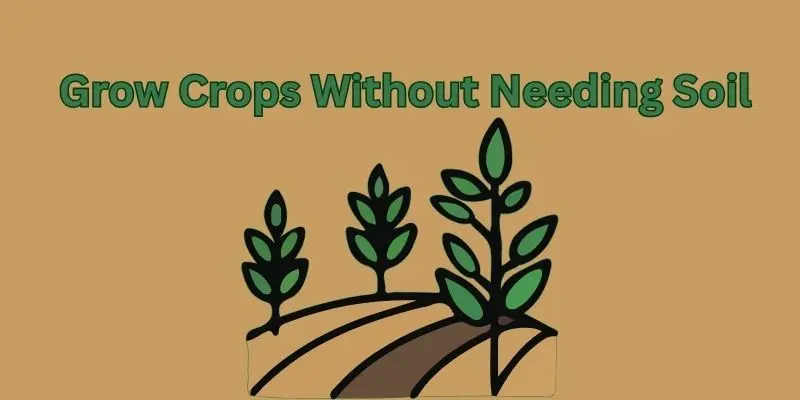
14. Grow Crops Without Needing Soil
Not all lands are fertile. Some are dry, salty, or rocky. Vertical farming uses water-based systems like hydroponics, so no soil is needed.
This method allows farming even in areas where growing was once impossible. It turns deserts, rooftops, and old buildings into green farms full of life.
15. Always Get Good Quality Crops
Vertical farming provides the same growing conditions for all plants — equal light, water, and nutrients.
This results in consistent, high-quality crops with better color, flavor, and texture. Farmers can easily sell their produce to supermarkets and restaurants that demand perfect quality.
16. Less Labor, More Output
Automation in vertical farming reduces the need for manual labor. Machines handle watering, lighting, and monitoring, allowing farmers to focus on managing quality.
This saves time and reduces physical work while keeping production high — a modern, smart way of farming for better efficiency.
17. Help Restore the Environment
Vertical farming helps nature recover by reducing land use and avoiding harmful chemicals. It protects forests, prevents soil erosion, and lowers carbon emissions.
Every vertical farm contributes to a cleaner and greener planet. By adopting it, farmers become part of a global effort to protect the Earth while growing healthy food.
18. Secure Food Supply for Future Generations
As the world population grows, we need more food than ever before. Vertical farming offers a strong solution by producing large amounts of fresh food in limited space.
It ensures people everywhere have access to healthy, locally grown produce — strengthening national food security and reducing hunger.
FAQs about What Are the Advantages of Vertical Farming
Here are some of the most frequently asked questions about the What Are the Advantages of Vertical Farming
Vertical farming saves up to 90% of space and 95% of water, allowing crops to grow year-round in controlled conditions. Unlike traditional farming, it’s not affected by bad weather or soil problems. This means farmers can earn more, waste less, and grow fresh, healthy food anytime.
Yes, vertical farming helps small farmers make steady income even with limited land. By using vertical layers, they can produce 10 times more crops in the same space. It reduces costs on water and fertilizer while increasing market value through fresh, chemical-free produce.
Leafy greens like lettuce, spinach, kale, and herbs grow best in vertical farms. Many farmers also grow strawberries, tomatoes, and microgreens. These crops grow fast, require less space, and sell well — giving farmers a quick return on investment.
Absolutely! Vertical farming uses less water, no soil, and zero pesticides, reducing pollution and saving natural resources. It also cuts down food transportation, meaning fewer fuel emissions. This makes it one of the most eco-friendly farming methods in the world.
With the world’s population growing, food demand is increasing. Vertical farming ensures constant food supply all year, even in dry or crowded areas. It helps countries produce their own food locally, reducing imports and preventing food shortages.
Conclusion:
Vertical farming is changing agriculture forever. It saves space, water, and energy while giving farmers better profits and stability. It’s clean, sustainable, and reliable — the perfect answer to today’s farming challenges.
The world is moving toward smarter, cleaner, and more efficient food production. Farmers who adopt this innovation will not only grow crops — they’ll grow the future of farming itself.
Visit TheAgritec.com for Smart Farming Solutions
If you want to explore the latest ideas and technologies in modern farming, visit TheAgritec.com.
You’ll find expert guides, helpful tips, and resources to help you start your own sustainable or vertical farm.
Because the future of farming is here — and it’s smart, green, and full of opportunity.





- Be Respectful
- Stay Relevant
- Stay Positive
- True Feedback
- Encourage Discussion
- Avoid Spamming
- No Fake News
- Don't Copy-Paste
- No Personal Attacks
- Be Respectful
- Stay Relevant
- Stay Positive
- True Feedback
- Encourage Discussion
- Avoid Spamming
- No Fake News
- Don't Copy-Paste
- No Personal Attacks
