Which Process Is Involved in Growing Crops?
Published: 3 Nov 2025
Every grain of rice, every kernel of corn, and every golden stalk of wheat begins its life beneath the soil—an unseen miracle that has fed humanity for thousands of years. The process of growing crops is not just an agricultural routine; it is a deeply human story of patience, science, and connection to nature.
According to the Food and Agriculture Organization (FAO), global crop production has increased by more than 50% in the last 30 years, thanks to advancements in farming techniques and sustainable practices. Yet, at its heart, farming remains a timeless dance between humans and the Earth—guided by tradition, innovation, and hope for the next harvest.
So, guys, without wasting time, let’s jump into the article to learn the Which Process Is Involved in Growing Crops?
Understanding the Process of Crop Production
Crop production refers to the series of steps involved in cultivating plants for food, fiber, and fuel. Each stage plays a vital role in ensuring a healthy yield and sustainable farming cycle. The main processes include:
- Soil Preparation
- Seed Selection and Sowing
- Adding Manure and Fertilizers
- Irrigation
- Weeding
- Crop Protection (from pests and diseases)
- Harvesting
- Storage and Post-Harvest Management
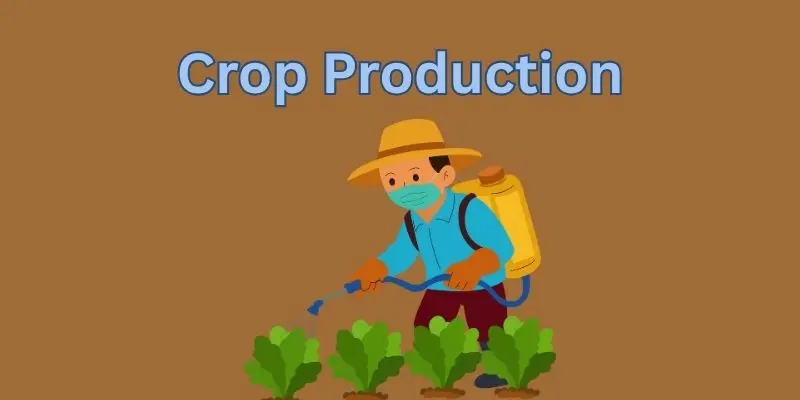
Let’s dive deeper into each of these essential steps.
1. Soil Preparation – The Foundation of Growth
Soil is the living skin of the Earth. Preparing it properly is the first and most crucial step in growing crops.
a) Ploughing
Farmers loosen and turn the soil using ploughs or modern tractors. This process improves aeration, helps roots penetrate deeper, and allows beneficial microorganisms to thrive.
b) Levelling
After ploughing, the soil is leveled to ensure uniform distribution of water during irrigation and prevent waterlogging.
c) Manuring
Organic manure or compost is added to replenish lost nutrients. It enhances soil fertility, improves structure, and encourages microbial life.
Healthy soil contains more living organisms in a handful than there are people on Earth!
2. Seed Selection and Sowing – Choosing Life
Seeds are the genetic foundation of crops. A farmer’s success depends on selecting high-quality, disease-resistant, and climate-suitable seeds.
a) Selection
Seeds are chosen based on factors like yield potential, resistance to pests, and adaptability to local conditions. Research institutions like the Indian Council of Agricultural Research (ICAR) or USDA often develop improved seed varieties.
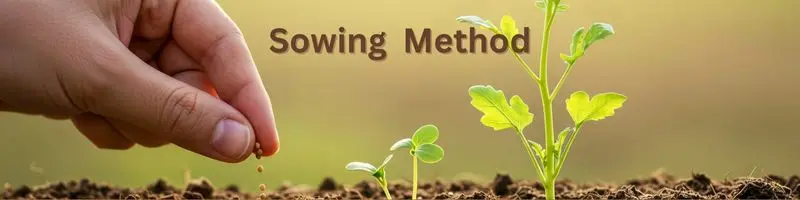
b) Sowing Methods
Common methods include:
- Broadcasting (scattering seeds by hand)
- Drilling (using seed drills for uniform depth)
- Transplanting (used for crops like rice)
3. Manure and Fertilizers – Feeding the Earth
Just as humans need nutrition, so does the soil. Manure and fertilizers provide the essential nutrients required for healthy plant growth.
- Organic Manures (compost, green manure, farmyard manure): enrich soil naturally.
- Chemical Fertilizers (NPK – Nitrogen, Phosphorus, Potassium): provide rapid nutrient supply.
4. Irrigation – The Lifeline of Crops
Water is the pulse of agriculture. Irrigation ensures that plants receive adequate moisture, especially during dry seasons.
Common Irrigation Methods
- Traditional: Wells, canals, tanks
- Modern: Drip irrigation, sprinkler systems, and rainwater harvesting
5. Weeding – Protecting the Crop’s Space
Weeds compete with crops for sunlight, nutrients, and water. Regular weeding is vital to prevent yield loss.
Weeding Techniques
- Manual Weeding: Using hand tools like sickles or hoes
- Chemical Weeding: Using herbicides
- Mechanical Weeding: Modern weeders and cultivators
6. Crop Protection – Shielding Against Pests and Diseases
Crops face constant threats from insects, fungi, and other pests. Protecting them is crucial for survival and productivity.
a) Pesticides and Insecticides
Used carefully to control harmful organisms.
b) Biological Control
Using natural predators (like ladybugs) to control pests—a sustainable and eco-friendly method.
c) Integrated Pest Management (IPM)
Combines biological, cultural, and chemical methods for balanced pest control.

7. Harvesting – The Reward of Patience
After months of care, the moment of truth arrives—harvest time.
a) Timing
Crops are harvested when they reach full maturity. Early or late harvesting can lead to yield loss or poor quality.
b) Methods
- Manual Harvesting: Using sickles or knives (common in small farms)
- Mechanical Harvesting: Using combine harvesters for large-scale production
8. Post-Harvest Storage – Safeguarding the Treasure
Harvesting doesn’t end the journey. Post-harvest care ensures the produce remains safe and market-ready.
a) Drying and Cleaning
Removes excess moisture to prevent fungal growth.
b) Storage
Stored in granaries, silos, or cold storage units depending on the crop type.
c) Transportation and Marketing
Proper packaging and handling maintain quality during transportation to markets or industries
Sustainable and Modern Approaches in Crop Production
As climate change challenges agriculture, modern farmers are embracing innovation and sustainability.
1. Precision Agriculture
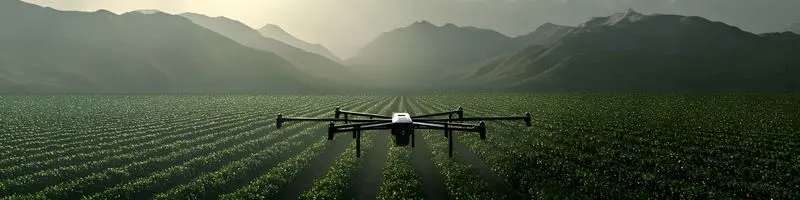
Uses satellite data, sensors, and AI to monitor soil, weather, and crop health in real time. 2. Organic Farming
Focuses on natural inputs and eco-friendly techniques, eliminating harmful chemicals.
3. Crop Rotation and Mixed Cropping
Improves soil fertility and prevents pest buildup.
4. Hydroponics and Vertical Farming
Growing crops without soil, using nutrient-rich water—ideal for urban spaces.
Challenges Faced by Farmers
While the process of growing crops sounds systematic, real-world farming is filled with challenges:
- Climate uncertainty and droughts
- Pest outbreaks and crop diseases
- High input costs and market fluctuations
- Soil degradation and water scarcity
How You Can Support Sustainable Crop Production
- Buy local and seasonal produce
- Support organic and fair-trade farmers
- Reduce food waste
- Encourage government policies for sustainable agriculture
FAQs about Which Process Is Involved in Growing Crops?
Here are some of the most frequently asked questions about the Which Process Is Involved in Growing Crops? | The Heartbeat of Agriculture
The main process involved in growing crops is agriculture, which includes preparing the soil, sowing seeds, irrigation, adding fertilizers, protecting plants from pests, and harvesting. This entire cycle ensures healthy crop growth and maximum yield for farmers.
Soil preparation is vital because it improves soil structure, enhances aeration, and allows roots to grow deeply. Plowing, leveling, and manuring make the soil fertile and ready to support healthy crop development throughout the growing season.
Irrigation provides crops with the necessary water supply for photosynthesis and nutrient absorption. Proper irrigation methods—like drip, sprinkler, or surface irrigation—help maintain soil moisture levels, ensuring crops grow faster and healthier.
Fertilizers enrich the soil with essential nutrients such as nitrogen, phosphorus, and potassium. These nutrients promote plant growth, increase yield, and improve the quality of agricultural produce, making fertilizers a key part of the crop-growing process.
The final steps include harvesting, storage, and distribution. Farmers carefully harvest crops when they are fully mature, store them in suitable conditions to prevent spoilage, and then distribute them to markets—bringing the heartbeat of agriculture to life.
Conclusion:
The process of growing crops is far more than a biological cycle—it is a testament to human perseverance. From the soft crumble of soil in a farmer’s hand to the golden fields swaying under the sun, every stage tells a story of faith, science, and love for the land.
Agriculture reminds us that the simplest acts—planting, watering, nurturing—are also the most profound. The next time you break bread or enjoy a bowl of rice, remember the unseen journey that brought it to your table.
The process of growing crops is not just about food production—it’s about sustaining life itself.



- Be Respectful
- Stay Relevant
- Stay Positive
- True Feedback
- Encourage Discussion
- Avoid Spamming
- No Fake News
- Don't Copy-Paste
- No Personal Attacks
- Be Respectful
- Stay Relevant
- Stay Positive
- True Feedback
- Encourage Discussion
- Avoid Spamming
- No Fake News
- Don't Copy-Paste
- No Personal Attacks
